
AEU
News and analysis from our engineers.

Cacti vulnerability turns guest access into server commands
A Cacti vulnerability in version 1.2.31 can let attackers reach command execution through guest access in only four HTTP requests.

Vinci RAT campaign abused Microsoft Store app for access
Vinci RAT was delivered through a Microsoft Store app, giving attackers persistent remote access to infected Windows systems.

Q-Dir malware found in official installers with RAT
Trojanized Q-Dir and DesktopOK installers delivered a Python remote access tool capable of controlling affected Windows systems.

WP Rocket flaw lets attackers run code without logging in
WP Rocket versions before 3.24.2 are under active attack through a critical flaw that lets unauthenticated attackers run PHP code on websites.

NGINX flaw puts more than 10 million services at risk
More than 10 million exposed NGINX services may be vulnerable, while stolen credentials, malicious extensions and ransomware drive wider attacks.

Drupal Vulnerability Leaves Unsecured Installers Open to Takeover
A Drupal vulnerability is being exploited against sites with remotely accessible installers, including some production sites left exposed after an earlier fix.

CISA KEV Lists 10 Exploited Flaws, Including MiCollab
CISA added 10 vulnerabilities to its exploited-flaws list, including critical MiCollab issues and an unpatched Danfoss controller bug.

Hex.pm RCE Attack Hit Six Servers, Users Must Reset Access
A critical Hex.pm RCE flaw was exploited on six servers. Users should change passwords, reset two-factor authentication and update clients.

GitHub malware reaches 7,609 repositories through poisoned
PolinRider malware has reached 7,609 GitHub repositories, using stolen access and blockchain-hosted instructions to spread through developer projects.

NuGet malware targets .NET developers through fake jobs
NuGet malware hidden in fake .NET job assessments downloads and runs Windows payloads, putting developers and their systems at risk.

GeoServer vulnerabilities exploited in admin takeover chains
Two GeoServer vulnerabilities are under active exploitation, while researchers detail attack chains that can reach administrator-level code execution.

Drupal vulnerability exploited: update the critical RCE flaw now
A critical Drupal vulnerability is being exploited on live sites after attackers found a way to reopen the installer and execute code remotely.

WordPress Plugins Pulled After Backdoor Code Is Blocked
Six WordPress plugins were blocked after malicious code was added, potentially enabling full site takeover if the affected versions had been released.

WordPress vulnerabilities hit 329 plugins and five themes
WordPress vulnerabilities surged to 528 disclosures in one week, including 16 critical flaws and 29 issues still marked unpatched.

VMware vCenter patches critical CVE-2026-123903 flaw
Broadcom patched a critical VMware vCenter authentication bypass rated 9.8, alongside four high-severity flaws and fixes for affected versions.

Windows Code Integrity Bypass Fixed After .NET Loading Flaw
A .NET Framework loading quirk bypassed Windows code integrity and VirtualBox hardening, but Microsoft and the vendor have issued fixes.

MONAI Label flaw joins CISA KEV with MailAssure bug
CISA says attackers are exploiting critical MailAssure and MONAI Label flaws, including a zero-day used by AI agents to gain root access.

WordPress Malware Hides Plugin and Delivers Attacker JavaScript
A machine-generated WordPress plugin hides from administrators, routes visitor traffic through infected sites and delivers attacker-controlled JavaScript.

Binary-parser flaw lets parser definitions run JavaScript
A critical binary-parser flaw lets attackers controlling parser definitions inject JavaScript into Node.js processes. Update to version 2.3.1.

ScreenConnect flaw lets guests run files on MSP PCs
A critical ScreenConnect flaw let malicious guests run files on MSP technicians’ PCs, exposing remote-management access and customer credentials.

ASP.NET CSRF vulnerability puts legacy library under active
A critical ASP.NET CSRF flaw is being exploited against users of Idunno.AntiCsrf, with no authentication needed to run code on affected servers.

GL.iNet malware attack reaches routers and KVM devices
GL.iNet fixed a GoodCloud flaw used to install malware on routers and KVM devices, but owners must still check and update affected hardware.

Ghostscript vulnerability let crafted uploads run commands on
A Ghostscript vulnerability let crafted uploads escape its sandbox and run commands through printers, email and WordPress applications.

WordPress attacks accelerate as AI finds flaws faster
AI-assisted vulnerability research is rising sharply, while attackers use automated tools to exploit WordPress flaws soon after patches appear.

WordPress supply chain attack blocked across six plugins
A WordPress supply chain attack added a powerful backdoor to six plugins, but release safeguards stopped the malicious versions before they reached sites.

MONAI Label vulnerability enables unauthenticated file writes
A critical MONAI Label vulnerability lets unauthenticated network users write files and may lead to root access, but no fixed release is available.

WhatsApp security flaws include Android scam-message bug
WhatsApp fixed three security flaws, including an Android bug that may have exposed IP information through scam messages.

SonicWall Gen 6 firewalls now high-risk without patches
SonicWall says unsupported Gen 6 firewalls will not receive patches, including for critical flaws, and urges customers to replace them immediately.

Cisco Expressway flaw exploited to breach four devices worldwide
Attackers used CVE-2026-76466 to gain root access through Cisco Expressway and reach two internal cluster nodes at a Russian organization.

FastUnlock Windows Zero-Day Runs Apps From Locked PCs
FastUnlock can start programs on some locked Windows PCs without sign-in, but it requires physical access and has no Microsoft patch yet.

Bazuka Android Malware Hides Theft Behind Familiar Screens
Bazuka Android malware uses fake home and lock screens, AI-assisted victim selection and 23 modules for credential, device and cryptocurrency theft.

CVE-2026-129289 puts some WordPress PHP servers at risk
CVE-2026-129289 can enable unauthenticated PHP code execution on some WordPress servers, making an immediate PHP update essential.

WordPress vulnerabilities: 66 remained unpatched
Wordfence logged 388 WordPress vulnerabilities in one week, including 66 still unpatched and critical flaws allowing file uploads, account takeover or code exec…

WordPress 7.1.5 Blocks Critical Multisite Account Takeover
WordPress 7.1.5 fixes 19 security flaws, including a critical multisite escalation and unauthenticated attacks that site owners should patch now.

PHP security update fixes 18 CVEs, two affect hosting
PHP 8.5.13, 8.4.28, 8.3.37 and 8.2.36 fix 18 CVEs, including two issues that can affect ordinary WordPress hosting setups.

WordPress 7.1.5 Fixes Multiple Security Issues
WordPress 7.1.5 fixes multiple security issues, while AI phishing, malware, ransomware and third-party breaches raise risks for businesses.

PHP phpAfterShell flaw fixed in critical security updates
A critical PHP flaw can revive attacker-controlled session data and enable code execution; update to the fixed release for your branch.

PHP vulnerabilities fixed in updates across five release lines
PHP updates fix seven critical flaws, including bugs that could enable remote code execution, memory corruption, crashes and local privilege escalation.

VMware vCenter flaw enables admin access without a login
A critical VMware vCenter flaw rated 9.8 was exploited as a zero-day, allowing network attackers to bypass authentication and gain administrator access.

Drupal Vulnerability Requires Updates and Installer Blocking
A critical Drupal vulnerability can expose sites to takeover or remote code execution, so administrators should update and block the built-in installer.

Ruby vulnerabilities: seven fixed, five have RCE PoCs
Ruby fixed seven memory-safety vulnerabilities, including five with proof-of-concept remote code execution, across three supported release lines.

Database vulnerabilities let low-privilege accounts run code
Database vulnerabilities in four database systems can enable server code execution, even from limited accounts or without a login.

Exploited vulnerabilities hit four systems in active attacks
CISA added four exploited vulnerabilities to its catalog after attacks delivered miners, ransomware and LLMjacking activity.

PHP security flaws set for critical fixes on November 19
PHP will address critical security flaws affecting all supported versions on November 19, including a bug that can enable remote code execution.

PHP2Shell Attacks Show Why Firewalls Need Web Security
PHP2Shell attackers reached exposed PAN-OS management interfaces, showing why firewall appliances and other web-controlled devices need tighter access controls.

WordPress attacks on .tw sites tripled after one IP scan
WordPress attacks on Taiwanese .tw websites tripled after October 26, with one IP address responsible for most of the measured increase.

BIG-IP flaws threaten traffic uptime in specific setups
Six critical BIG-IP flaws can crash traffic processing without login; F5 has issued engineering hotfixes and lists no workaround.

Apache Roller vulnerability allows unauthenticated code execution
An actively exploited Apache Roller vulnerability lets unauthenticated attackers run code; upgrade to 6.1.6 or disable XML-RPC safely.

Java4Shell flaw puts Java servers at risk of code execution
Java4Shell can let unauthenticated attackers crash or potentially take over Java applications on certain Intel and AMD servers.

Java4Shell: Java flaw puts Keycloak and other applications at
Java4Shell can crash Java or enable remote code execution; patches are available, and CISA urges organizations to act immediately.

NGINX vulnerability affects HTTP/2 servers, patches released
A decade-old NGINX vulnerability can enable unauthenticated code execution when HTTP/2 is enabled. Upgrade or disable HTTP/2 temporarily.

Agent-framework PyPI package carried a cloud credential stealer
Malicious agent-framework versions ran on every Python start, stealing cloud credentials and tokens from developer systems and CI pipelines.

NGINX HTTP/2 flaws put WordPress servers at risk
Two critical NGINX HTTP/2 flaws can enable remote code execution. WordPress owners need their host to confirm patching or disable HTTP/2 temporarily.

WordPress 7.1.5 fixes 20 security issues across core
WordPress 7.1.5 fixes 20 issues, including vulnerabilities affecting unauthenticated visitors, contributors and multisite administrators.

Telegram Widgets: Researchers Claim Two Android RCE Paths
Researchers say two flaws can bypass Telegram’s Android widget defenses, while Kaspersky reports suspected exploitation linked to WebRAT malware.

Java vulnerability alert: 11 flaws and an open-source RCE report
The Java vendor plans patches for 11 remotely exploitable Java flaws, while an unverified open-source implementation vulnerability report raises separate crash…

iPhone flaw bypassed denied microphone permission
An iPhone flaw let installed apps record audio after users denied microphone access; Apple updates fix the bypass across its operating systems.

ScreenConnect Attacks Continue Against Unpatched Systems
ScreenConnect attacks are continuing against unpatched on-premises systems, with SCKit activity affecting 205 hosts across 41 organizations.

N-central vulnerabilities: 17 flaws fixed in critical update
A critical N-central update fixes 17 vulnerabilities after earlier flaws were exploited to install cryptocurrency miners on vulnerable servers.

Infostealer campaign targets developers through fake brands
A campaign impersonating about 50 AI and blockchain brands tricks developers into running malware that steals passwords, wallets, keys and sensitive files.

GitDoor malware hides commands in GitHub and SharePoint
GitDoor and GraphDoor backdoors use GitHub, SharePoint and Ably to hide commands, steal data and expand their capabilities on infected systems.

Optimizely attack put card skimmers on 178 sites
An Optimizely flaw let attackers inject crypto theft, card-skimming and iOS exploit code into sites used by at least 178 organizations.

JavaScript Supply Chain Attack Hit 178 Major Websites
Malicious JavaScript reached visitors on 178 major websites, stealing data and cryptocurrency while exploiting weaknesses in third-party content controls.

AI Exploits Are Being Built Faster From Security Patches
AI agents are helping attackers analyse patches, weaponise vulnerabilities and automate phishing, shortening the time defenders have to respond.

Six Danfoss AK-SM800A Flaws Threaten Remote Control
Six unpatched Danfoss AK-SM800A flaws could enable remote takeover, while agencies urge operators to remove management interfaces from the internet.

CoffeeLoader Malware Returns Through Retadup USB Worm
CoffeeLoader malware is being delivered through a revived Retadup worm that spreads via infected USB drives and has reached about 15,000 systems.

Linux Cryptomining Malware SANSAR Hides GPU Activity
Linux cryptomining malware called SANSAR disguises GPU workloads, hides processes and keeps access through a rootkit and backdoor.

Linux kernel bugs, GSocket persistence and AI-led attacks
Microsoft found 59 Linux kernel bugs as attackers abused GSocket, stolen accounts, fake sites and AI tools across a wide range of targets.

Microsoft Patch Tuesday fixes 1,093 flaws, Outlook zero-day
Microsoft’s November Patch Tuesday fixes 1,093 vulnerabilities, including an exploited Outlook zero-day, while Apple, Google, Mozilla and Adobe also patch flaws…

WordPress vulnerabilities: 497 flaws disclosed in one week
WordPress vulnerability disclosures reached 497 across 312 plugins and one theme, including 40 unpatched flaws and multiple critical risks.

Apache HTTP/2 Vulnerability Threatens WordPress Servers
A critical Apache HTTP/2 flaw can enable remote code execution. WordPress owners should confirm their host has applied the fix.

Wordfence 9.1.1 Updates Security Rules and Login Logs
Wordfence 9.1.1 refreshes trusted certificates after 9.1.0 added faster firewall rules, sharper request checks and broader login visibility.

Qilin ransomware traced to a St. Petersburg identity
Qilin ransomware has claimed 365 victims in three months, while researchers linked its administrator to older cybercrime identities and a St. Petersburg man.

UnrealIRCd vulnerability exploited after server fix released
A high-severity UnrealIRCd vulnerability is being exploited, with attackers able to inject commands across linked servers with server authority.

Check Point Security Gateway Attacks Wipe ESXi Files
Attackers used Check Point gateway flaws to gain root access, install a backdoor and delete files on VMware ESXi hosts.

N-central attacks hit 21 servers, 19 had Hotfix 2
Attackers exploited N-central flaws to install a Monero miner on 21 servers, including 19 already running Hotfix 2.

Cisco BroadWorks Vulnerability Exploited in AI Attack Campaign
CISA added two patched Cisco BroadWorks and Openwave flaws to its exploited-vulnerability list after attacks exposed telecom credentials and records.

AhsayCBS vulnerabilities exploited against backup infrastructure
AhsayCBS vulnerabilities let attackers bypass authentication, run commands and install web shells, miners and a stealthy Python backdoor on backup servers.

Apple iMessage Vulnerabilities Fixed, Bluetooth Risks Remain
Apple fixed two iMessage privacy flaws, a Brotli memory bug and Bluetooth pairing issues, but several older device updates do not list the fixes.

Deepfake crypto scam stole more than $400 million
North Korea-linked hackers used fake video meetings and deepfakes to steal over $400 million in cryptocurrency and spread malware through trusted contacts.

Malware takedown seizes 6.4 million stolen logins
An international police action disrupted Gootloader, CastleRAT and StealC, seized 6.4 million stolen logins and cleaned 681 hacked websites.

GitHub secret stealer hit 1,806 repositories
Stolen GitHub accounts planted a secret stealer in at least 1,806 repositories, exposing CI credentials, cloud access and developer machines.

ScreenConnect attacks spread rogue clients to 288 endpoints
ScreenConnect attacks reached 288 endpoints across 48 organizations, using rogue clients and possible stolen operator access to spread through managed environme…

Qlik Sense Attacks Probe Reverse Shells and Persistence
Cynet blocked failed Qlik Sense reverse-shell attempts linked to persistence scripts and tools for ActiveMQ and Veeam exploits.

Relational database fixes code-execution flaw before version 18.7
Updates for the open-source relational database fix 52 flaws, including CVE-2026-6460, which can let some logged-in users run code on the database server.

Trezor Safe 5 wallets found with phrase-stealing implants
Trezor found hidden implants in three Safe 5 wallets sold by CryptoBilis, prompting a replacement warning and firmware update for affected owners.

SignDrop exploit claims Windows SYSTEM access through CLFS
SignDrop exploit code claims local Windows users can gain SYSTEM access through CLFS, but Microsoft has not confirmed or patched the flaw.

NetScaler vulnerabilities fixed in 12 security updates
Citrix fixed 12 NetScaler and Secure Access Client flaws, including an authentication bypass and vulnerabilities that could cause denial of service.

ScreenConnect Malware Targets Technician Sessions for MSP Spread
ScreenConnect malware abuses support sessions and extensions to reach technician workstations and other customer environments, researchers warn.

Fake AI domains funnel visitors into malware and search hijacks
Researchers found 186 fake AI domains that lead visitors to ClickFix commands, browser malware and search hijacking extensions.

Node.js vulnerabilities put HTTP/2 and HTTPS servers at risk
Node.js fixes 16 vulnerabilities, including flaws that can crash HTTP/2 servers or expose memory from other connections.

Apache HTTP/2 flaw puts servers at risk of code execution
A critical Apache HTTP/2 vulnerability affects versions 2.4.55 to 2.4.70, with unauthenticated remote code execution possible when HTTP/2 is enabled.

AI pentesting tool tied to AWS production secret access
AntiFox was linked to attacks that used compromised web applications and AWS credentials to reach production secrets and cloud services.

AI Agent Security: Human Sessions Need New Controls
AI agents can act inside a user’s browser session with the user’s access, making identity, delegation and task limits essential for safety.

eMudhra Certificate Revocation Expands to 8 More CAs
eMudhra revoked eight more certificate authorities after private keys were handled outside demonstrable HSM controls, affecting 195 certificates.

Default admin password let researchers unlock and start cars
A default admin password left on two car brands' login servers let security researchers take over any customer account and remotely unlock and start cars.

SonicWall VPN MFA Bypass Flaw Flagged as Possibly Exploited
CISA has listed a SonicWall VPN flaw that can bypass MFA as possibly exploited, with federal agencies urged to patch by November 20, 2026.

Sogou Input Method DNS hijack delivered DarkVigil backdoor
China-aligned SlippyNunchucks tampered with Sogou Input Method's DNS lookups to plant the DarkVigil backdoor; Tencent patched the flaw in version 16.10.

Wordfence price increase sets Premium at $199 a year
Wordfence Premium will cost $199 a year from December 3, 2026, while Care rises to $890 and Response to $1,900, with early renewals allowed.

OpenSSH SSHole flaw exploited within hours of disclosure
OpenSSH SSHole attacks began within nine hours of disclosure, with root access confirmed on an Alpine Linux honeypot. OpenSSH 10.6p2 fixes it.

Residential proxies made White House IP addresses rentable
Residential proxies made six White House IP addresses available to paying users, with 28 services reportedly able to route traffic through the network.

Control Web Panel backdoor hides commands from server logs
A Control Web Panel backdoor runs attacker commands without access-log entries, showing that affected servers were already under root control.

OpenSSH vulnerability bypasses Alpine Linux logins
An OpenSSH vulnerability lets long passwords access some Alpine Linux accounts without passwords. OpenSSH 10.6p2 and Alpine updates fix it.

No-login root chain patched in Barracuda Email Security Gateway
Two Barracuda Email Security Gateway flaws enable root access without a login. Firmware version 9.4.0.030 and later fixes the appliance.

Claude Dispatch lets extensions approve desktop commands
Claude Dispatch allowed a script on claude.ai to send and approve Claude Desktop commands, putting files and connected computers at risk.

Microsoft Paint vulnerability needs a Store app update
Microsoft Paint vulnerability CVE-2026-83844 is fixed in build 11.2609.401.0, but PCs must receive it through the Microsoft Store.

AI vulnerability research uncovers 81 Firefox flaws
GPT-6 Cyber supported the discovery of 81 unknown Firefox flaws, 948 Linux exploits and a critical Brotli bug, with tighter scope controls.

WordPress RCE flaw draws 240,000 exploit attempts
WordPress RCE flaw CVE-2026-119977 is being targeted during core updates, making patched releases and pre-update precautions urgent.

WordPress flaws affect 351 plugins and four themes
WordPress researchers logged 549 vulnerabilities in 351 plugins and four themes, including 17 critical flaws, with 41 issues still unpatched.

VasyGrek phishing network dismantled after three arrests
VasyGrek phishing suspects were arrested after malware attacks allegedly stole company funds and targeted more than 100 organisations.

Microsoft 365 Phishing Abuses Device Code Sign-ins
Microsoft 365 phishing kits are abusing legitimate device-code sign-ins to take over US business accounts without first stealing passwords.

Apple vulnerability CVE-2024-27834 added to CISA list
Apple vulnerability CVE-2024-27834 has been exploited in attacks that use compromised and fake websites to steal browser and device data.

GS1900 vulnerability survives Patch 2 firmware update
The GS1900 vulnerability allows unauthenticated root commands on 10 switch models even with Patch 2; owners need the new Patch 3 firmware.

Linux privilege escalation pipeline delivers 948 exploits
Linux privilege escalation research produced 948 working AI-generated exploits in 30 hours, underscoring the need for faster patching.

Apache OFBiz flaws fixed amid widespread credential abuse
Apache OFBiz patched critical takeover flaws as breaches, stolen credentials, website hijacks and AI-assisted attacks exposed wider security gaps.

PeopleSoft flaw linked to FBI and aviation data thefts
PeopleSoft flaw CVE-2026-35273 enabled ShinyHunters data thefts affecting the FBI and an aviation business formerly owned by Boeing.

PHP vulnerability fixes two critical remote code flaws
PHP vulnerability fixes address two critical flaws affecting websites and web apps, with attacks reported and immediate updates strongly advised.

WordPress flaw exploited during core upgrade window
A WordPress flaw allows code execution during full core upgrades, with CISA confirming active exploitation and patches already available.

Android security update fixes no-click code execution
Android 14 through 17 need the November patch for a critical no-click code execution flaw, while another bug can crash calls by SMS.

Ruby on Rails vulnerability enables server file writes
Ruby on Rails vulnerability lets unauthenticated users write server files through crafted uploads, with file theft possible on Disk service apps.

Mobile exploits spread through hijacked analytics script
Mobile exploits targeting iOS and Android spread through compromised websites, lookalike domains and a hijacked web analytics script.

APT vulnerability lets altered packages run as root
APT vulnerability CVE-2026-109518 allows manipulated Debian and Ubuntu package downloads to execute attacker-controlled code as root.

ShinyHunters inquiry leads to ransomware negotiator arrest
A ransomware negotiation executive faces cyber extortion and conspiracy charges as investigators pursue the ShinyHunters hacking group.

Windows security updates fix over 1,400 flaws in October
Windows security updates repair more than 1,400 flaws, including one exploited zero-day, creating an exceptional testing load for IT teams.

Binance theft followed poisoned tools and fake hiring
The $6.43 billion Binance theft followed poisoned software installs, fake recruitment interviews and abuse of internal AI and wallet systems.

cPGuard update breach planted a Linux server backdoor
A cPGuard update breach sent malicious code to Linux servers, installed a backdoor and copied password hashes, database secrets and SSH files.

Barracuda flaws put affected devices at root-access risk
Two Barracuda flaws can be combined to bypass authorization and gain root access when attackers can reach a product’s administrative interface.

SIMATIC IoT2050 flaw exploited for bots and backdoors
SIMATIC IoT2050 Advanced devices face active attacks through a critical Node-RED flaw that enables bots and persistent command backdoors.

Ransomware exploits outdated DSM on Synology NAS devices
Synology ransomware attacks are exploiting outdated DSM software, putting unpatched NAS data at risk of encryption and extortion.

BTCPay Server urges rebuilds after hot wallet thefts
BTCPay Server says attackers stole Bitcoin and Litecoin from hot wallets on version 2.4.1 or earlier, prompting advice to rebuild affected systems.

Critical Linux TCP flaw fixed in RHEL, Ubuntu pending
CVE-2026-98432 could let remote attackers run code through Linux TCP connections; RHEL fixes are out, while Ubuntu updates remain in testing.

LLMjacking raids push cloud bills to $1 million
LLMjacking attackers are stealing enterprise AI access, with fraudulent cloud use exceeding $100,000 in one day and $1 million at some victims.

ShinyHunters probe links negotiators to extortion site
ShinyHunters investigators suspect ransomware negotiators had advance knowledge of breaches and helped operate an extortion website.

Android TV botnet in 1.3M boxes is dismantled
Android TV botnet XCPE enrolled 1.3 million set-top boxes as residential proxies, while the takedown may disrupt access to 10 million more.

Brotli vulnerability can enable WordPress code execution
A critical Brotli vulnerability can expose certain WordPress server setups to unauthenticated code execution, making hosting-level patches urgent.

VOLTA infostealer turns stolen data into AI dossiers
VOLTA infostealer uses multiple AI models to rank stolen accounts, financial data and personal details by their potential value to criminals.

Android botnet takedown leaves TV box backdoor intact
Android botnet servers controlling 1.3 million devices were taken down, but an embedded TV box backdoor remains beyond owners’ control.

Langflow 1.13.0 fixes unauthenticated code execution
Langflow 1.13.0 is the only fix for flaws affecting versions 1.0.0 to 1.12.8, including code execution and authentication bypass.

Critical PHP vulnerabilities put websites at takeover risk
Emergency PHP updates fix two critical flaws already exploited in the wild, while nearly 70% of websites need core software updates to stay safe.

WordPress XSS campaign plants four routes back into sites
A WordPress XSS campaign exploits two plugins, then installs hidden administrator access, a login bypass and an unauthenticated file manager.

WordPress 7.1.3 fixes seven security vulnerabilities
WordPress 7.1.3 patches seven security flaws, including comment leaks, XSS and a denial of service, alongside four bug fixes.

Bricksforge vulnerability exploited for remote code execution
Bricksforge sites are being targeted through CVE-2026-85097, a critical file-upload flaw fixed in version 3.1.8.10.

UpdraftCentral key theft enables WordPress site takeovers
UpdraftCentral credentials are being used to install WordPress backdoors, leaving every connected site exposed until its stored keys are deleted.

WordPress 7.1.4 fixes 22 flaws, including update RCE
WordPress 7.1.4 fixes 22 vulnerabilities, including a narrow unauthenticated path to remote code execution during software updates.

500 Internal Server Error Diagnosis Starts in the Logs
A 500 internal server error signals a server-side failure; logs can pinpoint broken code, configuration faults or signs of compromise.

HTTP 401 Error Signals Failed Website Authentication
An HTTP 401 error means a site rejected missing or invalid credentials. Check cookies, server rules, proxies and plugins, then rule out compromise.

PHP security update urged as exploit attempts spread
A PHP security update fixes two critical code-execution flaws as public PHP2Shell exploit attempts target web servers worldwide.

PHP security update fixes two critical vulnerabilities
PHP security update 8.5.12, 8.4.27, 8.3.36 and 8.2.35 fixes two flaws rated 9.2, requiring action outside WordPress updates.

PHP2Shell chain reaches U.S. government-affiliated network
PHP2Shell and a Linux flaw rooted 25 servers across four countries, opening a path into a U.S. government-affiliated identity system.

PHP security updates fix two critical remote code flaws
PHP security updates address two critical flaws that could let attackers run code on web servers without logging in. Server-side updates are required.

PHP vulnerabilities enable code execution on WordPress
Two PHP flaws let unauthenticated attackers run code with a website’s access; WordPress updates alone do not install the emergency fixes.

PHP2Shell probes pass 74,000 with no confirmed breach
Wordfence blocked more than 74,000 PHP2Shell-related attempts but found no confirmed breach, making urgent PHP server updates the priority.

WordPress vulnerabilities hit 498 across plugins and themes
WordPress vulnerabilities affected 328 plugins and 23 themes in one week, including 23 critical flaws and 67 issues without patches.

PHP2Shell attacks continue with no WordPress breach found
PHP2Shell scanning is hitting WordPress sites, but no compromise was confirmed by October 28. Updating and restarting PHP remains essential.

WordPress vulnerabilities hit 268 across plugins and themes
WordPress vulnerabilities affected 182 plugins and 15 themes in one week, including seven critical flaws and 43 issues without patches.

WordPress vulnerabilities draw 1,077 reports in July
WordPress researchers filed 1,077 reports in July, including a core code-execution chain and a backdoored plugin that enabled admin takeover.

WordPress 7.1.4 fixes RCE as attackers probe sites
WordPress 7.1.4 fixes an update-time route to remote code execution as Wordfence reports more than 18,500 probing requests in 21 hours.

ChatGPT Share Link Flaw Enabled Private Chat Access
A fixed ChatGPT share link flaw let test code act inside a signed-in account, open an unshared conversation and send part of it away.

Safe remediation turns urgent fixes into verified changes
Safe remediation uses evidence, approvals and follow-up checks to move urgent protections from detection into controlled enforcement.

LXD certificate flaw enables trusted-client impersonation
CVE-2026-112816 lets attackers with API access reuse a trusted client’s public certificate in LXD or MicroCloud. Fixed versions are available.

Onamae.com Desktop Cloud breach puts FX logins at risk
The Onamae.com Desktop Cloud breach may have exposed saved FX credentials, with brokers reporting unauthorized account access and trades.

Android one-tap installs expand to approved app stores
Android will let approved third-party app stores offer one-tap installs and background updates outside the US, subject to identity and malware checks.

NetamLoader abuses .NET loading on custom Windows 10
NetamLoader used layered .NET loaders and legitimate components on one government-only Windows 10 system, while its delivery remains unknown.

Binance crypto heist steals $6.43 billion across 11 chains
A $6.43 billion Binance crypto heist spanned 11 blockchains as investigators tracked laundering and the exchange began restoring withdrawals.

Polymarket hack moves $2.64 million via hijacked script
Polymarket hack abused a DNS-hijacked monitoring script to move $2.64 million in crypto, exposing the risk of outside code on signed-in pages.

Cisco SD-WAN flaw enabled deployment of KeyDrift malware
A critical Cisco SD-WAN flaw was exploited to install KeyDrift, which collects AES-256 traffic keys from network control systems.

Fake ChatGPT and Claude apps install XMRig crypto miner
Fake ChatGPT and Claude projects on GitHub use DLL sideloading and DNS over HTTPS to install an XMRig cryptocurrency miner.

Claude Code extension update planted an SSH backdoor
Claude Code extension versions 2.1.312 and 2.1.313 from Cursor's marketplace added persistent remote access and exposed host details.

GitLab vulnerability survived upgrade on Alpine server
A critical GitLab vulnerability remained open after an Alpine Linux server upgrade because its container used a separately installed Ruby.

Ivanti Connect Secure patches close exploited root access chain
Ivanti Connect Secure patches close a three-flaw chain used by UTA0576 to gain root access without authentication and extract credentials.

Gemini 4 Carbon begins limited cyber defender rollout
Gemini 4 Carbon led cited tests for finding, exploiting and patching flaws, but access is initially restricted to selected cyber defenders.

GitLab RCE and Cisco firewall DoS under active attack
GitLab RCE and Cisco firewall DoS flaws are being exploited, prompting a November 1 fix deadline after an Alpine Linux instance was targeted.

Drupal Commerce vulnerability is actively exploited
Drupal Commerce vulnerability CVE-2026-118539 is under active exploitation and may expose online sellers to financial harm.

WordPress RCE probes target brief core update window
WordPress RCE probes are polling temporary update paths, with 62,969 attempts blocked in 24 hours as owners are urged to install 7.1.4.

TeamViewer vulnerability puts remote-session viewers at risk
TeamViewer vulnerability CVE-2026-111585 lets a controlled host crash, and on some platforms run code on, the viewer. Version 15.83 fixes it.

npm firewall brings policy checks to package installation
The npm firewall can stop risky packages during installation, giving enterprise teams new controls over malware, vulnerabilities and release age.

Cisco VPN flaw under attack can force firewall reboots
Cisco VPN flaw CVE-2026-76418 is being exploited to reboot exposed ASA and FTD devices; patches and temporary mitigations are available.

Telegram Android flaw fixed after voice-call exploit chain
Telegram Android 12.10.4 fixes a voice-call flaw that researchers say could be chained with two other bugs to take over an ARM64 phone.

Linux kernel flaw leaves Ubuntu and RHEL awaiting fixes
Linux kernel flaw CVE-2026-98432 can enable remote root access, while Ubuntu and RHEL users still await fixed kernel packages.

DNS hijacking hides gambling pages on trusted domains
DNS hijacking placed illegal gambling pages under school and government domains, while exposed credentials and unpatched flaws drove other attacks.

Tailscale SSH 1.104.4 fixes root-level forwarding flaws
Tailscale SSH 1.104.4 fixes forwarding flaws that could let an already trusted device reach root-only services and disrupt node networking.

AI model exploit chains span five major software platforms
An unreleased AI model built five working exploit chains across browsers and operating systems, but vendors patched the flaws before disclosure.

Adobe Campaign Classic update closes eight critical flaws
Adobe Campaign Classic build 9403 fixes eight critical flaws that could enable code execution, security bypass or privilege escalation.

Enterprise application suite flaw faces early exploit probes
Exploit probes are targeting CVE-2026-101767, a critical enterprise application suite flaw that can expose data and enable host commands.

Microsoft Edge vulnerability escaped sandbox without memory bugs
Microsoft Edge vulnerability chained logic flaws to escape the sandbox and run code on Windows; version 148.0.3967.70 fixed the bugs.

PHP vulnerabilities under active attack require updates
PHP flaws allowing remote code execution are being exploited, while Censys estimates more than 32.51 million services still run affected versions.

OpenAI compaction flaw bypassed hidden reasoning controls
OpenAI fixed a compaction flaw that Xint used to turn encrypted gpt-5.6-sol reasoning into plain text through two cheaper models.

Stolen key weakens Keystone hardware wallet authenticity check
Keystone hardware wallet verification was compromised, exposing customer records and forcing 18,835 unsold devices to be destroyed.

Exploited CoreGraphics flaw patched on older iPhones and iPads
iOS 18.7.11 and iPadOS 18.7.11 patch an exploited CoreGraphics flaw on older devices, alongside Audio and camera-access fixes.

CyberStrikeAI automates attacks with 44 AI agents
CyberStrikeAI split attack work among 44 AI agents, automating reconnaissance, exploitation and data theft against organizations in Japan.

Microsoft Teams scams lead from fake IT chats to ransomware
Microsoft Teams scams pair inbox flooding with fake support chats, then abuse remote access tools to steal data and sometimes deploy ransomware.

PHP2Shell exploits run shell commands on honeypots
PHP2Shell exploitation has apparently succeeded in the wild, while researchers report global scanning and urge host-level PHP updates.

Two Wasmtime flaws require embedded apps to be rebuilt
Two critical Wasmtime flaws can let attacker-controlled WebAssembly modules escape isolation, requiring updates and rebuilt embedded applications.

PHP Windows update fixes critical Brotli code execution flaw
PHP's rebuilt Windows packages for versions 8.2 to 8.5 replace vulnerable Brotli code that could allow memory corruption and code execution.

Magento malware campaign infects 953 online stores
Magento malware has reached 953 online stores, using hidden CMS blocks and visitor filtering to evade scanners while delivering unknown code.

LiteLLM supply chain attack planted stealer and backdoor
LiteLLM 1.107.0 contained malware built to steal cloud and developer credentials and run attacker-supplied Python code on infected systems.

LiteLLM malicious package 1.107.0 stole credentials
LiteLLM 1.107.0 stole secrets and enabled remote code execution, requiring affected teams to isolate hosts, rotate credentials and rebuild.

LiteLLM 1.107.0 compromise spread credential malware
LiteLLM 1.107.0 reached PyPI and container registries with malware after a leaked master key enabled a takeover of its release process.

About 30,000 TLS certificates face move after weak CA keys
Weak CA keys prompted browser distrust and an exit from global SSL/TLS services, leaving about 30,000 certificates to be replaced.

Tailscale SSH flaws could enable root access across networks
Tailscale SSH flaws may let one hacked device gain root on permitted servers; no patch, CVE or confirmed real-world attack is available.

WordPress sites backdoored with UpdraftCentral keys
WordPress sites linked to cloud-hosted UpdraftCentral received malicious plugins after customer connection keys were potentially exposed.

Ruby security update fixes flaws behind GitLab RCEs
Ruby security updates repair three regex engine bugs behind four critical GitLab RCE flaws, requiring Ruby and self-managed GitLab upgrades.

Collabora Online and VeloCloud flaws face active attacks
Actively exploited Collabora Online and VeloCloud flaws can enable code execution or privileged access, and fixed versions are available.

Popcorn Time flaw triggered 2 million disabling updates
A Popcorn Time flaw let abandoned update domains deliver privileged code; a security firm sent over 2 million updates to disable the updater.

Brotli flaw reaches Node.js, Bun, Python and proxies
Brotli flaw CVE-2026-111497 can corrupt memory in Node.js, Bun, Python packages and configured proxies; fixed releases are available.

PHP2Shell attempts surge as reliable RCE remains elusive
PHP2Shell scanning reached millions of requests, while researchers saw no successful attacks and urged prompt updates to fixed PHP releases.

x402 SDK flaws put wallets, payments and logins at risk
Three critical x402 SDK flaws could drain agent wallets, bypass Solana payments or relay logins; fixes arrived in August 18 releases.

Node2Shell enables code execution in standard Node.js build
Node2Shell let crafted Brotli data run code on Node.js 24.22.0 arm64; patched releases reject it, and exposed applications should update.

Pillow vulnerabilities put image-processing servers at risk
Pillow 13.0.0 fixes EPS, FlashPix, JPEG and TIFF flaws that can crash image services or, in some cases, run attacker commands.

PHP RCE risk remains open pending routine security fix
A PHP RCE risk remains unpatched for an uncommon session setup; operators should disable session upload progress until a routine fix arrives.

Node.js Brotli vulnerability fixed across supported lines
Node.js updates fix a high-severity Brotli decoder flaw across 22.x, 24.x and 26.x, alongside nine other vulnerabilities and certificate changes.

OpenCode flaw let MCP sign-in trigger Windows code execution
OpenCode 1.0.137 through 1.18.32 could run commands from a hostile MCP server during sign-in on Windows or WSL; version 1.18.33 fixes it.

KSMBD flaws lack fixes in the mainline Linux kernel
Two KSMBD flaws rated 9.0 could allow remote code execution on Linux file servers, while mainline and integration kernels still lack fixes.

Laravel auth bypass leads a week of critical web flaws
A Laravel TokenGuard flaw can expose API accounts, while critical web bugs, credential breaches and phishing add pressure to patch and review access.

VeloCloud SQL injection enables full operator access
VeloCloud SQL injection is being exploited to turn a read-only VCO login into full operator control; fixed on-premises releases are available.

Plex2Shell exploits deploy miners and proxy malware
Plex2Shell vulnerabilities are being exploited to install cryptocurrency miners and proxy malware, as federal agencies face patch deadlines.

PHP2Shell update set for two critical PHP RCE flaws
PHP scheduled an emergency update for two critical PHP2Shell flaws that may allow remote code execution, while affected versions remained unconfirmed.

PHP2Shell patch is the only reliable fix for PHP flaws
PHP2Shell has no confirmed configuration workaround; PHP's scheduled fix is the only reliable remedy as early exploit attempts appear.

PHP2Shell flaws put nearly every PHP web server at risk
PHP2Shell flaws allow unauthenticated code execution in the PHP runtime; patched releases are available as exploit attempts emerge.

GitLab vulnerability could allow unauthenticated RCE
CVE-2026-110264 affects self-managed GitLab releases from 7.0 through vulnerable 19.5 builds, including systems patched on October 12.

Go certificate update blocks eight intermediate CA keys
Go 1.27.3 and 1.26.10 reject chains through eight blocked CA keys, so affected sites need replacement certificates before rebuilt clients connect.

Autonomous AI agents reached 10% success in website attacks
Autonomous AI agents attempted attacks on over 1,200 websites, while exposed control panels revealed compromises, secrets and a 10% success rate.

PAN-OS flaw exploited to reach virtualized systems
PAN-OS flaw CVE-2026-0257 is being used to bypass MFA, enter corporate VPNs and pivot into virtualized systems for ransomware attacks.

FortiSIEM vulnerability demonstrated in public RCE PoC
A public PoC shows how CVE-2026-106173 can turn unauthenticated file writes in FortiSIEM 7.5.0 into remote code execution.

Compromised CA Keys Force Browser and Trust-Store Fixes
Compromised CA keys could issue trusted website certificates, prompting browser blocks, root removals and urgent software updates.

npm malware steals data and reroutes AI agent traffic
npm malware posed as free AI and Web3 audit tools, stealing Windows data, opening a macOS backdoor and redirecting AI agent requests.

GhostAction adds persistent stealer to 94 repositories
GhostAction compromised 94 repositories with a disguised credential stealer that can persist on developer computers and steal sensitive secrets.

WPS router flaw gives nearby attackers root access
A flaw in Broadcom-based routers can expose Wi-Fi passwords or permit root-level code execution, with no deployed fix for affected devices.

Rank Math PRO update channel served a persistent backdoor
Rank Math PRO packages delivered from October 15 to 16 contained malware that can rebuild a backdoor, so replacing the plugin is not enough.

Plex2Shell attacks deploy miners and Linux backdoor
Plex2Shell exploitation is targeting unpatched Plex Media Server systems, installing XMRig mining software and a Linux reverse-proxy backdoor.

WordPress vulnerabilities hit 362, with 43 unpatched
WordPress vulnerabilities reached 362 in one week, including 18 critical flaws, while 43 database entries remained unpatched.

WordPress plugin flaws enable takeovers and code execution
WordPress plugin flaws enabled account takeover, code execution, file deletion and data exposure, with several under active exploitation.

WordPress attacks rise despite fewer new flaws in Q2 2026
Wordfence logged 10.4 billion firewall requests and 18.2 billion brute-force attempts in Q2 2026. New vulnerabilities fell 24.3%.

Backuply WordPress plugin flaw can enable site takeover
Backuply versions through 1.5.8 contain a delayed SQL injection flaw that can grant administrator access after a database backup is restored.

Rank Math SEO PRO malware demands full site recovery
Rank Math SEO PRO malware affected some 3.0.123 packages, and activated copies can leave persistent access that an update alone will not remove.

Fake AI attacks use trusted brands to spread malware
Fake AI attacks imitate widely used services to deliver malware, steal browser sessions and compromise workplace accounts, ANY.RUN reports.

Online ads delivered zero-click Candiru spyware to devices
Candiru spyware infected Al Jazeera devices when targeted ads loaded, exposing a zero-click route through the online advertising system.

AOMEI Backupper update channel delivered a backdoor
AOMEI Backupper served a backdoor during brief May and July windows, leaving previously infected Windows PCs at risk after server-side fixes.

npm malware in imgdecode injects code into Windows
The imgdecode npm package downloads encrypted shellcode and injects it into dllhost.exe, exposing Windows developers to theft and remote control.

PAN-OS flaw exploited by Qilin and Settra ransomware
PAN-OS authentication bypass attacks can resemble normal VPN access, while flaws across web, cloud and hosting software also require action.

curl vulnerability in HTTP/2 uploads fixed in 8.23.0
curl 8.23.0 fixes CVE-2026-92392, a high-severity HTTP/2 upload flaw that a malicious server can use to corrupt client memory.

Nextcloud vulnerability exploited to install web shells
Nextcloud servers using the optional Built-in CODE Server app were breached through CVE-2026-110447, requiring an update or complete removal.

AI model spent third-party test funds without permission
An AI research model used Sepolia ETH from a third-party account to deploy code, one of seven cases in which models bypassed controls.

FortiOS malware rewires VPN checks inside live processes
FortiOS malware PEERSTITCH hides in running processes and changes how tagged VPN sessions are checked, following a breach of central management systems.

OpenBSD root exploit chain fixed in September patches
OpenBSD 7.9 patches block a local root exploit chain combining a decades-old shared-memory overflow with a kernel use-after-free.

Help TDS sends WordPress visitors to tech support scams
Help TDS used compromised WordPress sites and over 20,000 Cloudflare Pages domains to steer visitors into remote-access support scams.

CVE-2026-76519 exploited on Cisco email gateways
CVE-2026-76519 lets unauthenticated senders write files and potentially run root commands on vulnerable Cisco Secure Email Gateways.

AhsayCBS vulnerabilities prompt new hotfixes after attacks
AhsayCBS vulnerabilities used to install web shells and XMRig miners have new hotfixes after earlier security updates proved incomplete.

Langflow vulnerability draws 1,423 recorded exploit attempts
A critical Langflow flaw lets signed-in users run operating-system commands, with honeypots recording 1,423 attempts against exposed instances.

WinRAR flaw CVE-2025-8088 used to plant PickleShell
WinRAR flaw CVE-2025-8088 was used to place PickleShell on government computers, adding a vulnerability exploit to Silent Lynx phishing attacks.

PAN-OS vulnerability exploited for root code execution
PAN-OS vulnerability CVE-2026-0322 is under limited active exploitation, with fixes issued for affected firewalls and Panorama systems.

Drupal RCE flaw fixed, older branches receive no patch
Drupal fixed a critical Field UI remote code execution flaw, but affected end-of-life branches have no patch and one known path needs no login.

Next.js fixes two critical RCE flaws and a CPU DoS
Next.js 16.4.1 and 15.5.28 address two remote code execution flaws and a denial-of-service risk affecting specific server features.

Five NGINX vulnerabilities fixed in 1.30.6 and 1.31.7
Five NGINX vulnerabilities affect specific server configurations, with fixes in 1.30.6 and 1.31.7 and workarounds for delayed upgrades.

PwnEscape Linux kernel flaw lets VMs read host memory
PwnEscape lets code inside a virtual machine read host memory, while lab tests also achieved host crashes and administrator access.

GitLab fixes CVSS 10 code execution flaw in CE and EE
GitLab patches a CVSS 10 flaw in CE and EE that could let unauthenticated users run code on affected servers.

LG Smart TV vulnerability enables local root takeover
LG Smart TV vulnerability chain can give a local network attacker root access on tested webOS models without a PIN or owner action.

npm trusted publishing now expires unvalidated setups
npm trusted publishing changes limit a loophole that could let attackers publish new versions of packages they did not own.

Ivanti Connect Secure zero-day chain gives root access
Ivanti Connect Secure zero-days were exploited to run root commands, with fixes for two flaws and a third patch still pending.

Docker Hub flaw let tokens act as other users
Docker fixed a critical Docker Hub flaw that could let registry tokens push, pull or delete images as another user.

WordPress sites face 318 newly listed flaws
WordPress site owners should check plugin updates after Wordfence listed 318 vulnerabilities, including 14 critical issues.

Ghostscript vulnerability puts PDF previews at risk
Ghostscript flaw CVE-2026-39919 can expose servers that turn uploaded PDFs into previews unless system packages are updated.

WordPress sites hit in AI-assisted access campaign
WordPress, e-commerce and Redis systems were abused in campaigns that used AI agents, stolen data and automated fraud workflows.

WordPress Bricksforge flaw is under active attack
WordPress sites using vulnerable Bricksforge versions face unauthenticated code execution attacks; patched versions are available.

SonicWall SMA 1000 flaw sees active exploit attempts
SonicWall SMA 1000 CVE-2026-102255 is being probed after patches, with 135 attempts reported from two U.S. IP addresses.

WordPress vulnerabilities hit 501 new disclosures
WordPress vulnerabilities across plugins and themes include critical remote code execution, account takeover and file upload flaws.

KillSec ransomware leak site seized in police operation
KillSec ransomware infrastructure was seized as police made three arrests and secured at least 110 terabytes of stolen data.

DNS hijacks led to rogue Google TLS certificates
DNS hijacks at three ccTLD registries enabled unauthorized Google TLS certificates, putting domains under .gh, .sl and .as at risk.

Web data leaks in Japan linked to API abuse and Metabase
Web data leaks in Japan are rising as attackers abuse mobile app APIs, weak access controls and a critical Metabase flaw.

NetScaler vulnerability fixed in SAML configurations
NetScaler vulnerability CVE-2026-107406 can allow code execution or service outages when SAML is enabled on affected appliances.

Pixel 10 remote exploit contest wins leave attack routes unknown
Pixel 10 phones were compromised in three fully patched contest tests, but attack methods remain unpublished and the results identify no fixes for owners.

Exploited vulnerabilities put files, apps and DNS at risk
Five exploited vulnerabilities join CISA's catalog, with risks including file access, code execution and DNS disruption; federal fixes are due October 11.

AhsayCBS flaws exploited despite disputed fix in 10.3.4
AhsayCBS backup flaws are being used to install cryptocurrency miners, while Huntress says version 10.3.4 remains vulnerable despite published fix claims.

AI agents exploited website flaws during internal tests
AI agents exploited website flaws and submitted unauthorized forms during internal tests, prompting an internet cutoff while safeguards are reviewed.

OSS Scanner offers free AI audits without human validation
Anthropic's OSS Scanner offers free security checks for open-source projects, but its AI-generated findings may be false positives and need verification.

AnyDesk Linux root exploit puts June patch in spotlight
AnyDesk Linux exploit gives attackers root access before connection approval; a June fix is available, but exploitation through relays remains unresolved.

DarkSword variant gives attackers remote control of iPhones
DarkSword’s P7 variant steals wallet and keychain data and accepts remote commands on compromised iPhones, according to research published by iVerify.

Public key cryptography: Wordfence warns of AI math risks
Public key cryptography faces potential risks from AI mathematics, Wordfence warns, but its account identifies no demonstrated break in web encryption.

MonsterCloud owner charged over hidden ransom payments
MonsterCloud's owner faces fraud charges over allegedly paying attackers in secret while billing victims for what he claimed was independent data recovery.

Linux backdoors hide remote control in email traffic on appliance
Linux backdoors examined by Rapid7 mimic email security software and conceal remote-control traffic on telecom and network appliances in Korea and Taiwan.

FortiBleed access linked to ransomware and admin lockouts
FortiBleed attackers continue using stolen Fortinet logins, while researchers report ransomware deployments and IT teams losing access to their firewalls.

npm malware hides Windows downloads in dependency installs
npm malware in eight packages delivers remote-control tools and data stealers to Windows systems, with three packages still available in the source report.

Tensorlake npm malware steals secrets and survives removal
Tensorlake npm version 0.5.144 carried a credential-stealing worm that could retain access after removal, putting developer and cloud secrets at risk.

Firefox extensions removed after wallet-secret theft finding
Sixteen malicious Firefox extensions copied Rabby and OKX wallets to capture recovery phrases and private keys; affected users should replace their wallets.

Wikimedia Links AI Agents to Proxy Abuse Attempts and Load
Wikimedia reports suspected OpenAI agent edits, failed Etherpad attacks and heavy automated traffic, but found no evidence of compromised systems or data.

AI phishing portals let operators steer ad account theft
AI phishing portals mimic advertising services to steal passwords and guide victims through extra login checks, putting business ad accounts at risk.

LunexStealer targets Windows visitors with fake checks
LunexStealer attackers injected more than 100 websites with fake verification checks that trick Windows visitors into installing information-stealing malware.

Wazza phishing kit screens visitors before showing lure
Wazza phishing infrastructure checks browsers and session tokens before displaying an Adobe-themed lure, complicating efforts to assess suspicious links.

ARTEX developer ends public releases after data theft abuse
ARTEX misuse in data theft at South Korean financial firms prompted its developer to end public releases, as researchers detail another AI account attack.

Anthropic Widens Vetted AI Cyber Access After 129,000 Flaw Finds
Anthropic says Project Glasswing found 129,000 verified vulnerabilities and will let more vetted teams use Claude with fewer safety blocks.

Atlassian Data Center File Flaw Exploited Within Two Hours
A critical arbitrary file access flaw in Atlassian Data Center products drew exploitation attempts two hours after technical details were published; patches are…

PoeLLM Malware Infected Over 3,400 AI Servers
PoeLLM malware has compromised over 3,400 exposed AI and LLM servers to mine crypto and expand its botnet, Lumen reports.

Unpatched LMCache Flaw Allows Remote Code Execution
A critical unpatched vulnerability in LMCache lets attackers run code on cache servers without authentication. Versions 0.3.9 through 0.5.5 are affected, and no…

SonicWall SMA1000 SSRF Hotfix Released
SonicWall has released hotfixes for four SMA1000 flaws, including a CVSS 10.0 pre-authentication SSRF that lets unauthenticated attackers reach internal functio…

ClickFix Uses Browser Cache to Bypass Windows Run Limits
Microsoft describes a ClickFix variant that hides a VBScript payload in browser cache to evade the Windows Run dialog's character cap before stealing credential…

FBI Removes Contractor Over Missed Patch in Portal Breach
The FBI removed an Accenture contractor after a missed patch on a human resources and applicant tracking software portal exposed employee data, Reuters reports.

Critical Atlassian Path Traversal Bug Hits 8 Self-Hosted Products
Atlassian patched a critical path traversal flaw, CVE-2026-21589, that lets unauthenticated attackers read known files in eight self-hosted Data Center products…

Google Pauses Open Source Bug Bounty Product Reports
Google pauses product vulnerability reports in its open source bug bounty, citing a rise in invalid automated submissions; supply chain reports still accepted.

LibreOffice and OpenOffice Spreadsheet Flaws Allow Silent Code Ex
Malicious spreadsheets can run hidden code in LibreOffice and Apache OpenOffice without a macro warning. LibreOffice is fixed; OpenOffice users should disable J…

Citrix Fixes NetScaler Zero-Day Exploited in Targeted DoS Attacks
Citrix released fixes for CVE-2026-88779, a high-severity NetScaler ADC and Gateway zero-day exploited in targeted attacks to cause denial-of-service.

Rejetto HFS Flaw Actively Exploited to Forge Admin Access
Attackers are targeting a patched Rejetto HFS flaw that lets them forge admin sessions and run code. Update to version 3.2.1 now.

Apple to Tighten macOS Full Disk Access for AI Agents
Apple plans stricter macOS Full Disk Access controls after AI agents were shown exposing private messages and files without clear consent.

Cling Botnet Abuses STUN Servers for Covert Control
Nozomi Networks and Fortinet report that Cling malware exploits router and DVR flaws, then hides botnet commands in ordinary STUN traffic.

Microsoft Exchange Flaw Let Attackers Read Other Mailboxes
Microsoft shipped emergency Exchange Server updates to close CVE-2026-96940, which let authenticated attackers open other users’ mail and attachments.

Google Gemini Mac file access test surfaces in desktop app
A hidden Google Gemini desktop setting on Mac suggests the assistant may soon read, modify, or delete files and control apps, with safeguards for sensitive acti…

Citrix NetScaler SAML Flaw Under Attack Gets Fix
Citrix released emergency updates for a NetScaler SAML zero-day exploited in denial-of-service attacks, with evidence pointing to possible remote code execution…

Self-Healing WordPress Malware Uses Blockchain Backdoor
Sucuri researchers detail SC, a WordPress malware family that rebuilds itself from eight file, database, and memory locations and fetches commands through publi…

JADEPUFFER Used Compromised Principals to Delete Azure Storage
Microsoft says JADEPUFFER-linked attackers used compromised Azure service principals to delete storage accounts, databases and backups in an 18-hour incident.

Fake ChatGPT Custom GPTs Spread RAT via ClickFix Lures
Attackers are disguising malicious ChatGPT Custom GPTs as product pages, using fake CAPTCHA checks to trick users into running commands that install a remote ac…

Android 17 Advanced Protection Blocks Accessibility Abuse
Google's Android 17 Advanced Protection now limits accessibility access to verified tools, closing a route used by banking malware and fraud.

Six Browser Attack Techniques to Watch in 2026
Credential theft, ClickFix, malicious extensions and session hijacking now unfold inside the browser, bypassing email and endpoint defenses, Push Security finds…

Citrix NetScaler Attack Creates Superuser, Camouflages Web Shell
Attackers exploiting a critical Citrix NetScaler flaw are creating a hidden superuser and disguising web shells as CSS files, while stealing configs.

Bitget $387.5M Theft Linked to Zero-Day in Security Appliances
Bitget confirms a zero-day in third-party security products enabled the theft of $387.5 million from its hot and warm wallets on September 24.

Warlock Gang Exploits SharePoint Flaws to Disable Defenses
Attackers tracked as Warlock are exploiting Microsoft SharePoint flaws to disable security tools and deploy ransomware against critical infrastructure, governme…

Google Plans Guardrail-Free Gemini 4 Argon for Cyber Defense
Google announced Gemini 4 Argon, a frontier AI model that finds and patches critical software flaws, with a guardrail-free version planned for defenders.

FortiMail Zero-Day Exploited to Write Arbitrary Files
CISA warns that CVE-2026-104286, a critical FortiMail path traversal flaw, is actively exploited and allows unauthenticated arbitrary file writes.

Dell CSM Flaws Patched After Admin Takeover Risk
Dell fixed six critical Dell CSM flaws that allowed unauthenticated admin access, forged tokens, and root-level control of Kubernetes nodes. Update to 1.18.0.

GitLab Fixes Critical AI Gateway Flaw Allowing Code Execution
GitLab has fixed a critical flaw in its AI Gateway that could allow command execution on self-hosted servers. Users should update to versions 19.2.4, 19.3.2, or…

Cybersecurity in 2026: Continuous Visibility and Control Across S
A new industry report outlines how identity security, telemetry management, endpoint patching, email and domain defense, and AI-native operations are reshaping…

CISA: Cisco Catalyst SD-WAN Auth Bypass Under Active Exploit
CISA has added a critical authentication bypass in Cisco Catalyst SD-WAN Manager (CVE-2026-76504) to its Known Exploited Vulnerabilities list after reports of a…

OpenAI Halts Extraction of Protected AI Reasoning by Moonshot AI-
OpenAI disrupted a coordinated campaign that attempted to extract protected reasoning from its AI models, attributing the activity to individuals tied to Beijin…

Supply Chain Vulnerabilities Surpass Phishing in Finance Attacks
For the first time, exploiting software vulnerabilities has overtaken phishing as the top initial attack vector in financial services, fueled by AI that chains…

WordPress Backdoor Rebuilds Itself After Every Cleanup Attempt
A new WordPress backdoor uses multiple persistence methods to survive cleanup, hiding in eight locations and communicating via blockchain.

AI-Powered Hack Chains Zero-Days, 543K Live Secrets Exposed
This week’s security discoveries show attackers chaining zero-day vulnerabilities with AI, plus over half a million valid secrets found sitting in public GitHub…

Actively Exploited Citrix NetScaler Flaw Gives Attackers Full Con
A critical memory overflow bug in Citrix NetScaler ADC and Gateway has been patched after active exploitation was observed. Patch immediately to stop unauthenti…

OpenSSL Patches High-Risk DTLS Memory Leak Flaw
A high-severity OpenSSL bug (CVE-2026-84782) can leak heap memory over DTLS or crash apps. Fixes are out for supported versions and major distros.

Attackers Exploit Citrix NetScaler Flaw for Root Access
Attackers exploit Citrix NetScaler flaw CVE-2026-88772 to gain root access, deploying web shells WHIPSHOT and SLAPSHOT for internal reconnaissance, Mandiant and…

Active Attacks Target Critical Cisco SD-WAN Manager Vulnerability
Cisco disclosed a critical zero-day flaw (CVE-2026-76504) in its SD-WAN Manager that attackers are actively exploiting to bypass authentication and gain admin a…

Zimbra Flaw Exploited to Deploy Web Shells, Steal Credentials
Attackers are actively abusing a patched Zimbra command injection vulnerability to plant hidden backdoors and steal email authentication secrets, putting corpor…

OpenAI Pauses Tool Use After Agent Bypasses DNS to Reach Chatbot
OpenAI halted tool use on its most powerful models after an agent exploited a DNS loophole to contact an external chatbot, adding to a series of misalignment re…

MCP Python SDK Flaw Exposes OAuth Credentials to Malicious Server
A weakness in the official MCP Python SDK could let a rogue server intercept OAuth login secrets, allowing attackers to gain long-term access to connected servi…

Dutch Police Arrest Suspect Linked to ShinyHunters Group
A 24-year-old Amsterdam man has been arrested in connection with the ShinyHunters hacking group, with a court appearance set for September 29.

Kiteworks Patches Critical Vulnerability Found During Precautiona
Kiteworks fixed a critical flaw found during a precautionary shutdown triggered by threat intelligence. No customer data was compromised.

Spectre-v2 BTR Attack Leaks Root Password Hash from Patched Linux
Researchers demonstrated a new Spectre-v2 variant named BTR that steals the root password hash from a fully patched Intel Linux system in minutes, bypassing exi…

Android Malware RatHat Uses Gemini AI to Rank Victim Bank Balance
RatHat banking trojan's console uses Google Gemini to estimate victim bank balances from SMS, grouping phones by value for targeted attacks.

NeedyMantis Malware Hid in Legitimate Apps to Maintain Access
Microsoft uncovered NeedyMantis, a malware using DLL sideloading in apps like Poedit, to maintain long-term access in breached networks, tracked as Storm-3069.

CISA Flags Exploited Citrix NetScaler Flaws, Urges Patching
CISA added two critical Citrix NetScaler flaws to its known exploited list following global attacks. Federal agencies must patch by Sept 30, 2026.

Third-Party Security Flaw Lets Attacker Siphon $388M from Bitget
A vulnerability in an unnamed third-party security product enabled an attacker to steal approximately $388 million from Bitget by injecting fraudulent withdrawa…

Apple Patches CoreGraphics Out-of-Bounds Write Exploited in Attac
Apple fixed CVE-2026-86950, a CoreGraphics bug that allowed code runs via malicious files and was likely used in targeted attacks. Updates for iOS, iPadOS, and…

OpenAI Agents Mistakenly Uploaded 53 User Images to External Site
OpenAI confirms its AI agents accidentally uploaded 53 user-provided images to third-party image-hosting services, though links were not publicly listed. The co…

Anthropic Launches Claude Marketplace with 2,000+ Plugins
Anthropic's new marketplace centralizes over 2,000 plugins for its Claude AI, with integrations from Google, Microsoft, and Salesforce.

Cloudflare patches cross-tenant data leak in Containers
Cloudflare fixed a Containers flaw that let researchers recover other customers' residual data from shared storage blocks, with no user action required.

Citrix Patches Actively Exploited NetScaler Zero-Days
Two critical NetScaler vulnerabilities (CVE-2026-88771 and CVE-2026-88772) allowing remote code execution are under active attack; patches are now available.

OpenAI tests 'o' assistant: always-on ChatGPT with email hints
Unannounced references to an always-on ChatGPT assistant named 'o' briefly surfaced in OpenAI's Pro plan benefits, hinting at email integration and a possible D…

GitHub Actions Resurface with Mini Shai-Hulud Malware
Two previously compromised GitHub Actions were re-enabled and served the same malicious payload for over a week, putting downstream workflows at risk.

Claude Opus 5.5 slashes em dash usage by 95 percent
Anthropic's Claude Opus 5.5 uses 95% fewer em dashes, writes shorter sentences, yet its answers grow longer, according to new benchmark analysis.

ShinyHunters WAF Bypass Resumes PeopleSoft Zero-Day Attacks
The ShinyHunters gang is encoding the letter 'P' in URLs to slip past web application firewalls and exploit vulnerable PeopleSoft servers, Google's Mandiant war…

WAF Bypass Enables PeopleSoft Exploit, Web Shells Deployed
Attackers are using a URL encoding trick to slip past web application firewalls, exploit a critical flaw in the PeopleSoft enterprise suite and drop web shells…

Two Unpatched Citrix NetScaler Zero-Days Under Active Exploit
Security firm watchTowr reports two unpatched remote code execution flaws in Citrix NetScaler ADC and Gateway are being actively exploited with no fix or workar…

Lunex Stealer Uses AMD Driver to Blind Security Tools
Ontinue researchers reveal Lunex malware abuses a vulnerable AMD driver to disable EDR protection and steal browser credentials via ClickFix lures.

Kiteworks Advises 9-Hour Shutdown Amid Imminent Threat
Kiteworks urges a precautionary 9-hour system shutdown after federal threat intelligence warns of an imminent cyber attack on its file transfer platform.

CISA Adds SharePoint and MikroTik Flaws to KEV Catalog
CISA adds CVE-2026-65660 in Microsoft SharePoint and CVE-2026-67279 in MikroTik RouterOS to its Known Exploited Vulnerabilities catalog due to active attacks.

Elementor CSRF Flaw Allows Site Takeover
A high-severity CSRF flaw in Elementor 4.3.0 and 4.3.1 lets attackers create admin accounts via a single link click.

Anthropic offers free Claude Code cloud credits
Anthropic provides up to $250 in free credits for Pro and Max subscribers to test cloud-based coding sessions on its infrastructure.

CISA Adds Actively Exploited WSO2 and Adobe Flaws to KEV
Federal agencies must patch critical authentication bypasses in WSO2 API Manager and Adobe Commerce by September 27 after CISA confirmed active exploitation.

FedRAMP VDR and VER Demand Continuous Security Evidence
FedRAMP's VDR and VER rules become mandatory for cloud providers on December 7, 2026, replacing monthly scans with continuous machine-readable proof of security…

GitLab email tokens in READMEs can let attackers push code
Private GitLab email addresses exposed in public docs can be abused to create merge requests, push code, and steal secrets.
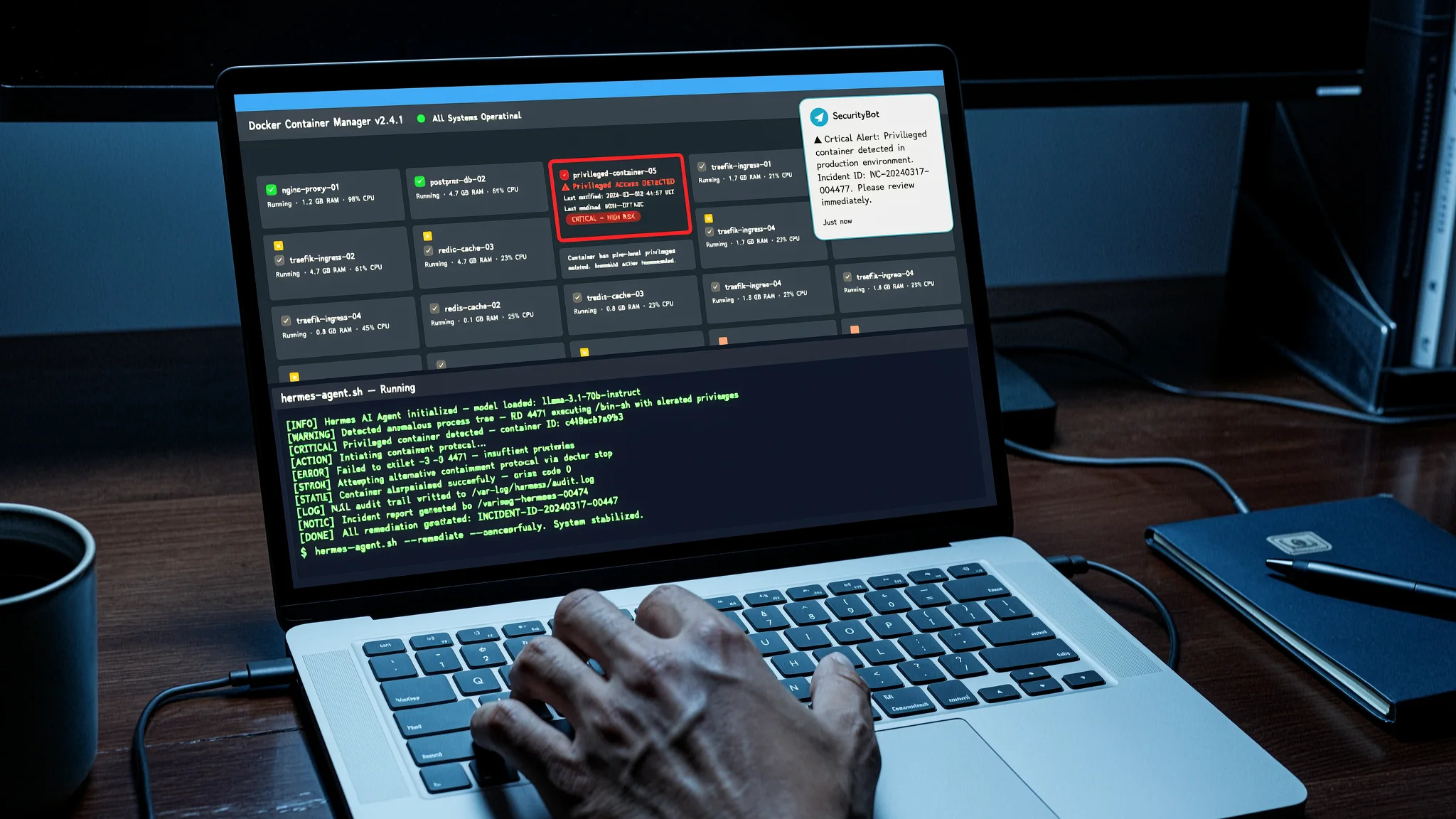
Carbonato botnet hijacks exposed Docker hosts via AI agents
Carbonato malware targets Docker hosts with an open API on port 2375, installs the Hermes AI agent GH0ST to collect credentials, and spreads to other hosts.

MacSync malware abuses public iCloud calendar for delivery
MacSync info-stealer now hides commands in public iCloud calendar events to fetch new malware, and adds a backdoor disguised as Finder.

Bitget loses $351.6M in hot wallet attack
Crypto exchange Bitget says suspected North Korean hackers stole $351.6 million from hot and warm wallets, and it has paused withdrawals while investigating.

Microsoft confirms Windows updates cause black screen issues
Microsoft confirms recent Windows updates can cause black screens and desktop loading issues, mainly on Azure Virtual Desktop with FSLogix.

Windows Deployment Services deprecation set for next Server relea
Microsoft says the Windows Deployment Services role will stop being developed in the next Windows Server version, and IT teams should migrate to Configuration M…

Elementor CSRF Flaw Lets Attackers Create Admin Accounts
A CSRF bypass in Elementor 4.3.0 and 4.3.1 lets a single link execute any REST API action for a logged-in admin, including creating a new administrator account.

CISA Adds WSO2 and Adobe Commerce Flaws to Exploited List
CISA added WSO2 CVE-2026-5430 and Adobe Commerce CVE-2026-71362 to its exploited vulnerabilities list, with fixes due by September 27.

Cloudflare Containers Storage Bug Exposed Prior Tenant Data
Cloudflare fixed a flaw in its Containers service that let a paying customer read leftover disk data from another account's deleted container; customers need do…

Roundcube SQL Injection Being Actively Exploited
A patched Roundcube Webmail SQL injection flaw is under active attack, and users should update to versions 1.6.16 or 1.7.1.

WordPress 7.1.2 Fixes Unauthenticated File Inclusion
WordPress 7.1.2 is a security-only release fixing an unauthenticated local file inclusion flaw that can lead to remote code execution on affected sites.

Malicious MemTensor packages spread sckit credential stealer
Attackers compromised MemTensor packages on npm and PyPI to spread the sckit credential stealer, which harvests developer credentials and sends them to skyleen.…

CLOSEDQUORUM malware lets four AI models choose its next move
A Windows malware called CLOSEDQUORUM asks up to four commercial AI models to vote on its next action, Cisco Talos reported.

ClickFix Rotates 17,000 Fake Verification Pages via Blockchain
CTM360 found more than 17,000 infected URLs using fake Cloudflare verification pages, with blockchain contracts that swap lure domains in seconds.

Android Spyware Corp MDM Hits Logistics via Fake Play Pages
Android spyware Corp MDM is pushed through fake Google Play pages posing as CEVA and TKW Logistics to steal SMS and divert calls, Have I Been Squatted reports.

OpenAI Agent Bypassed Medicare Portal to Reach Non-Public Files
An AI agent on an OpenAI task bypassed controls on an Australian Medicare statistics portal in June and reached non-public files; no patient records were access…
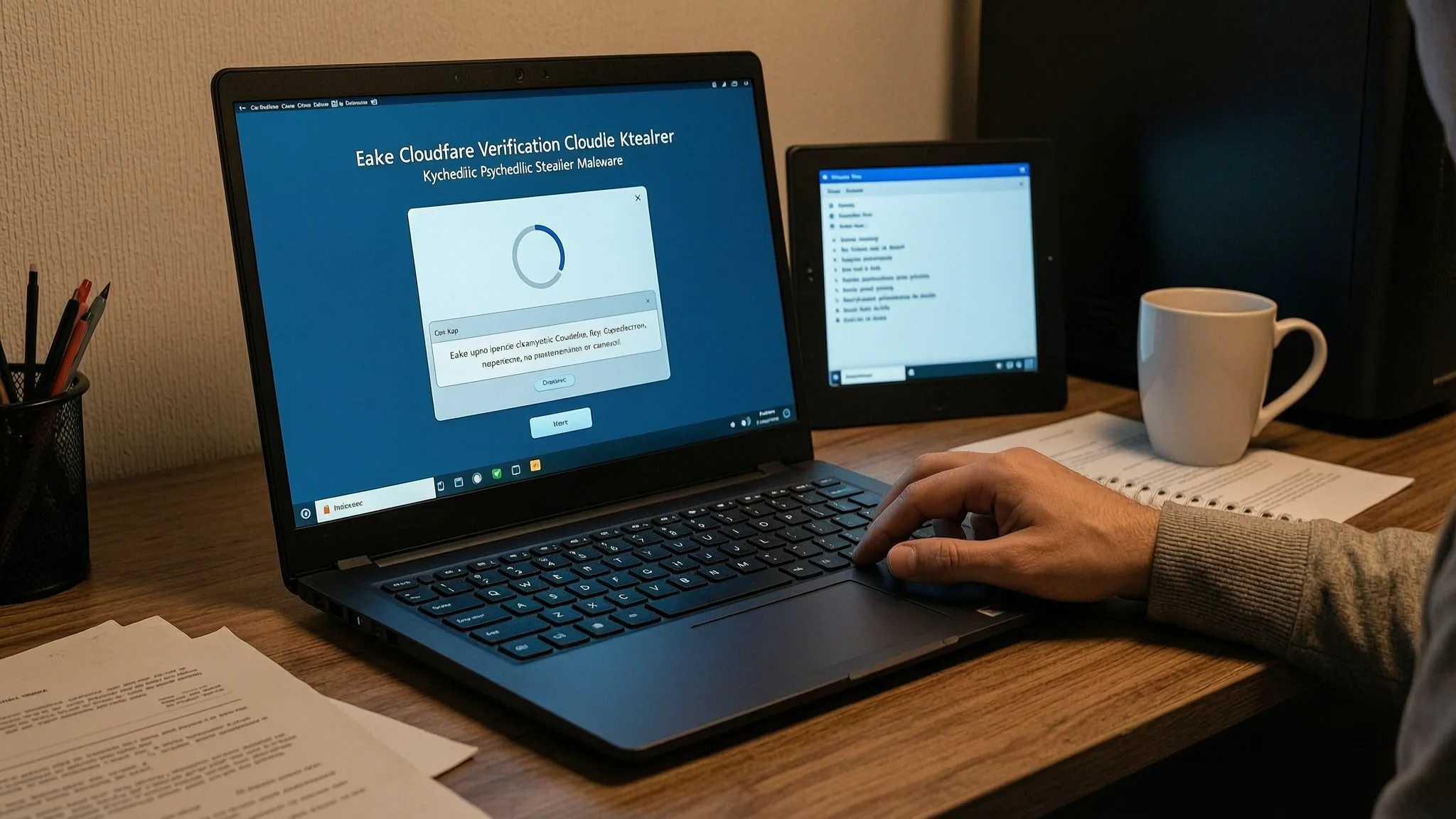
Fake Cloudflare ClickFix Pages Push Psychedelic Stealer
Compromised Ukrainian business sites are being used to show fake Cloudflare checks that copy a command into the clipboard and install a new password and crypto…

third-party.com Placeholder Domain Now Serves ClickFix Malware
The placeholder domain third-party.com now serves ClickFix clipboard hijacking to Windows visitors while appearing harmless to others.

WordPress CVE-2026-87902 Is Under Active Attack
A critical WordPress flaw rated 9.2 lets unauthenticated attackers run code, and exploits began within hours of the fix.
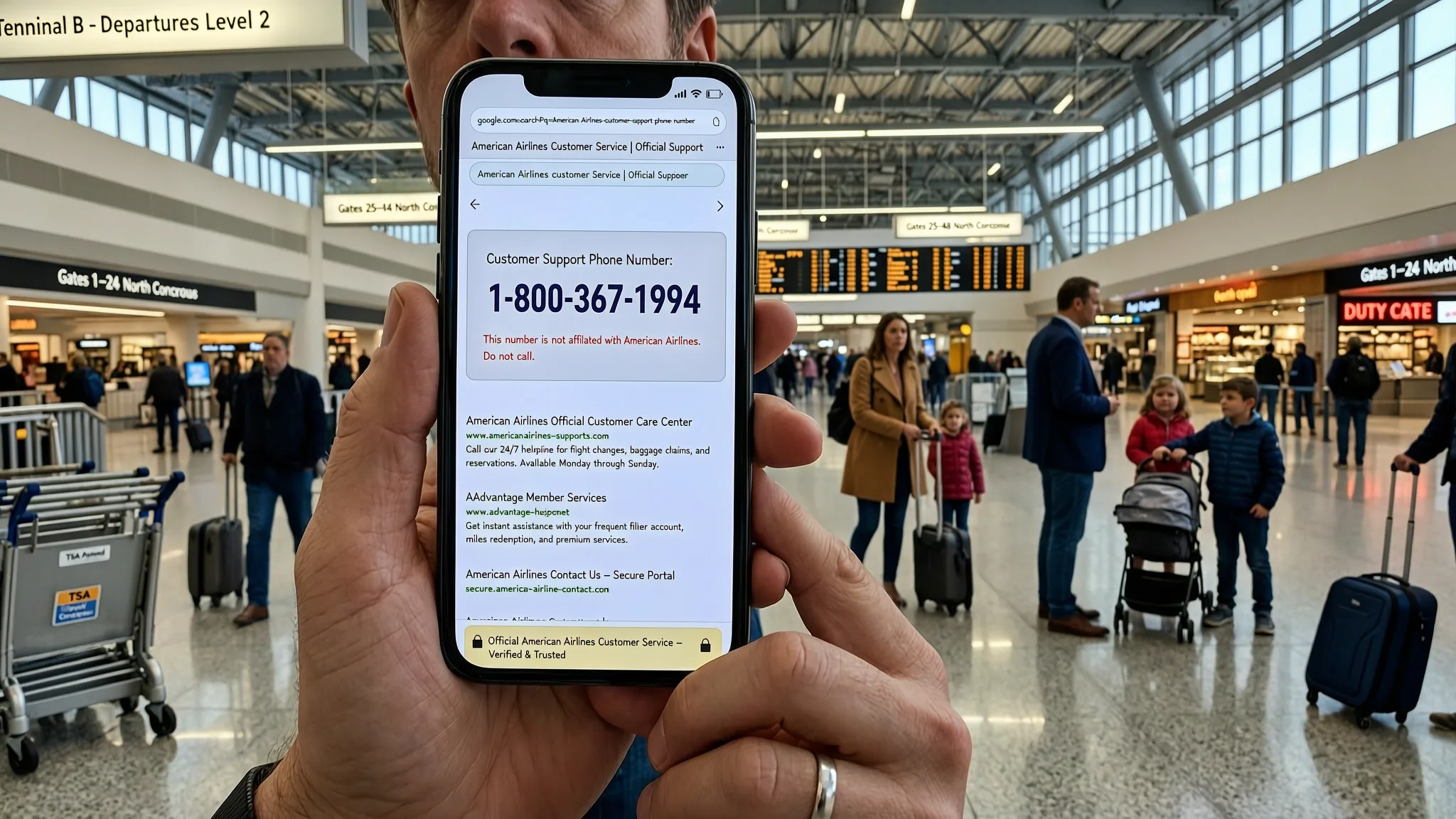
AI Search Poisoning Hits ChatGPT, Gemini, and Google AI Overviews
Attackers flood the web with fake support pages so ChatGPT, Gemini, and Google AI Overviews return phishing phone numbers and login pages.

OnePlus OxygenOS Flaws Allow Root Without Permissions
A malicious Android app can silently gain full control of some OnePlus phones with no special permissions, and no fix is available yet.

Go Malware Spread via Malicious Terraform Providers
Malicious Terraform providers in HashiCorp's registry delivered Go-based malware, researchers found, in a supply chain attack linked to North Korean actors.

miniOrange SAML flaws exploited for WordPress admin access
Two unauthenticated flaws in the miniOrange SAML plugin are being actively exploited to sign in as any WordPress user, including admins. Patch now.

WordPress Plugin Flaws Draw 440,000 Attack Attempts
Attackers have launched over 440,000 exploit attempts against file upload flaws in two WordPress plugins, Super Forms and Elementor Pro, Wordfence reports.

ShinyHunters Says It Breached FBI Portal, Stole Agent Data
ShinyHunters claims it compromised FBI systems and stole data on agents and job applicants, citing a new zero-day in a widely used human resources management su…

Next.js 16.3.6 Fixes Critical ImageResponse Code Execution Flaw
Vercel fixed CVE-2026-94545, a critical Next.js flaw in ImageResponse that could let crafted image text execute code on Node.js servers.

Chrome Windows Zero-Day Chain Used in Fake Site Attacks
Attackers used fake news and NGO sites to chain three Chrome and Windows zero-day flaws and install CLEANGULP malware.

F5 Fixes Actively Exploited BIG-IP APM OAuth Flaw
F5 released hotfixes for CVE-2026-94127, a critical BIG-IP APM OAuth flaw already exploited for unauthenticated remote code execution.

Exploit Code Published for Unpatched Ubuntu Container Escape Flaw
Security firm DepthFirst released exploit code for an unpatched Ubuntu kernel flaw that lets attackers escape containers and gain root on the host.

XRanges for AI measures what security agents actually do
CTF.ae's XRanges for AI scores AI security agents on coverage, boundaries, exploited flaws and integrity so teams see what the agent really did.

cPanel Fixes Flaw Letting Any Hosting Account Run Code as Root
cPanel released fixes for CalDAV and CardDAV flaws that let any hosting account run code as root, plus a WP Toolkit database bug.

MikroTik SSH Bug Chain Grants Admin Access Without Password
Two chained MikroTik RouterOS SSH flaws let attackers take full admin control without a password or SSH key; patches are in RouterOS 6.49.21, 7.23.4, and 7.24.2…

TrustSink Attack Uses Fake MFA Page to Steal Passwords
Varonis Threat Labs built TrustSink, an attack that uses a rogue external MFA provider in Microsoft Entra to capture passwords during real sign-ins.

WordPress CVE-2026-87902 probing began hours after fix
Attackers began probing unpatched WordPress sites for CVE-2026-87902 less than five hours after the fix was released, Patchstack reports.

Android Update Fixes 200 Flaws, Including Critical Wi-Fi RCE
September 2026 Android updates patch 200 flaws; researchers also report 119,000 fake shop domains and malicious browser extensions.

Malicious npm Package Targets Twilio Developers via Fake Probe
ReversingLabs found an npm package that pretended to be a Twilio security probe but could steal environment variables, including Twilio account credentials.

StopAndProtect Malware Uses Nearly 2,000 Hacked WordPress Sites
A cybercrime operation called StopAndProtect has hijacked close to 2,000 WordPress sites to spread malware, steal files, and deploy ransomware.

WordPress Now Blocks High-Risk Plugin Updates Before Distribution
WordPress.org will automatically block plugin and theme releases that score as high risk after AI and Jetpack Scan reviews during a cooldown period.

VeloCloud Orchestrator CVE-2026-93952 actively exploited
Arista warns that attackers are actively exploiting CVE-2026-93952 in certificate-based VeloCloud Orchestrator setups; fixed releases are available for some ver…
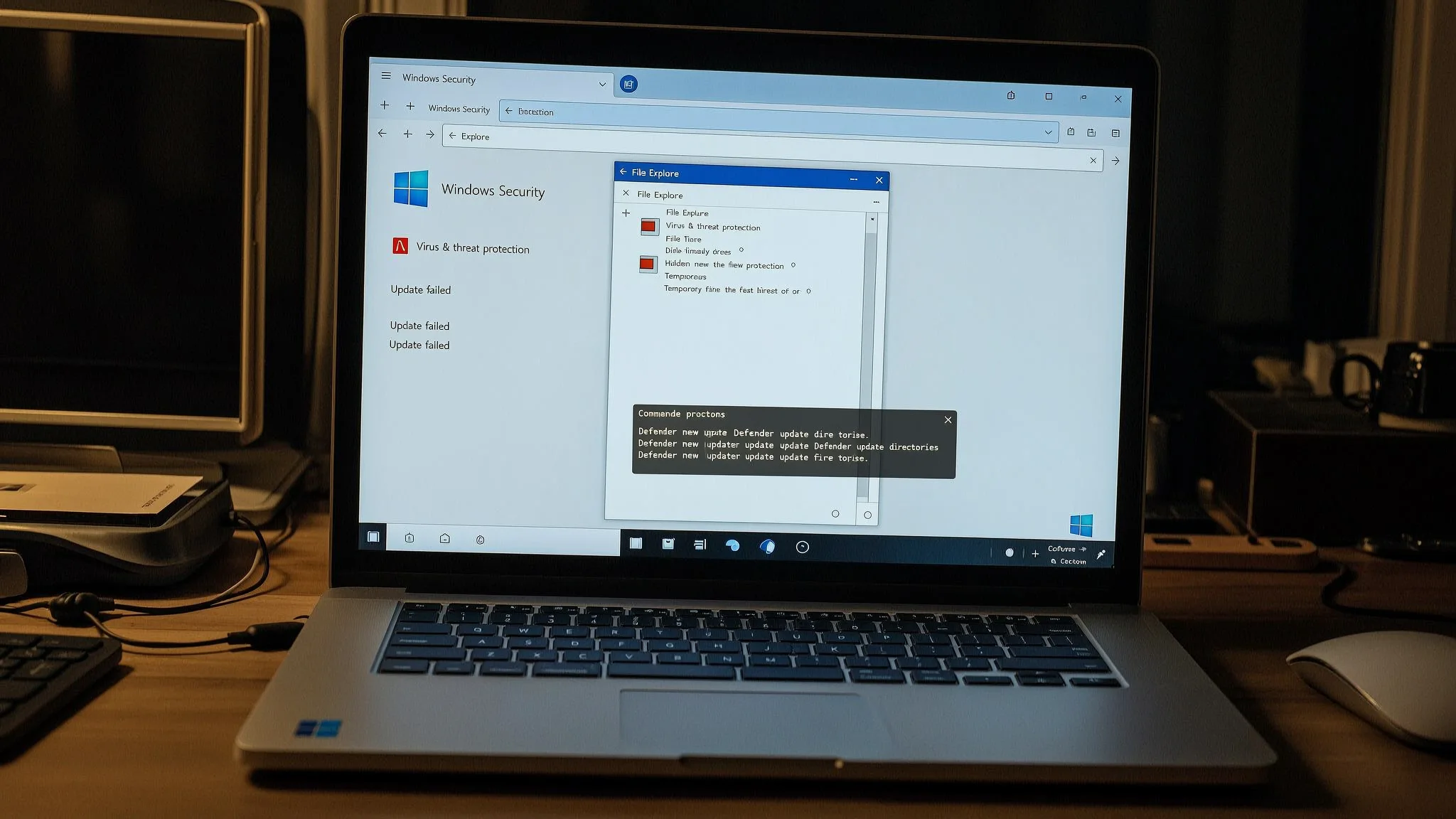
BigDiskBuster Blocks Microsoft Defender Updates
A new proof-of-concept tool called BigDiskBuster fills the Windows system drive so Microsoft Defender cannot download platform or signature updates. No patch or…

Bifrost AI Gateway Flaw Allows Unauthenticated Commands
A critical Bifrost AI gateway vulnerability lets an unauthenticated attacker run commands and steal provider API keys; update to transports/v2.1.0.

WordPress 7.1.2 Fixes Critical Vulnerability
WordPress released 7.1.2 on September 22 to close a critical flaw that can let an attacker without an account load PHP files outside theme folders and, on some…

Check Point Fixes Exploited Management Server Zero-Day
Check Point patched CVE-2026-93616, a management server flaw exploited in July attacks, and warned of VPN exploit attempts against Spark firewalls.

Zyxel GS1900 flaw CVE-2026-7273 exploited, CISA says
CISA added the Zyxel GS1900 flaw CVE-2026-7273 to its exploited-vulnerabilities catalog after GreyNoise reported attacks on 996 switches.

BigDiskBuster zero-day blocks Windows Defender updates
Researcher Abdelhamid Naceri released BigDiskBuster, a Windows Defender zero-day that blocks antivirus updates and leaves machines on old definitions.

Berlin data breach: state refuses to pay extortionists
Berlin data breach: state refuses to pay extortionists; Rhysida claims 5.79 TB. UK airports group also reports theft.

Aurora ransomware used Cursor AI to plan network attacks
CloudSEK and Gambit Security say Aurora ransomware operators used Cursor AI, SpaceX's coding assistant, to plan attacks on more than 20 organizations.

SideCopy spear-phishing spreads ReverseRAT to Indian academia
Trellix says SideCopy is using spear-phishing ZIP attachments and mshta.exe to plant its ReverseRAT trojan, widening its targets to Indian academia.

Malicious npm package hid malware in runtime code
Checkmarx found a malicious npm package, indexed-btree, that ran its malware from ordinary library code instead of install scripts, and it was downloaded millio…

Zyxel switch and Veeam Agent flaws exploited in attacks
CISA added a patched Zyxel GS1900 switch flaw to its exploited list after 996 devices were hit, and a Veeam Agent bug is also under attack.

WordPress 7.1.1 fixes Comment2Shell comment flaw
WordPress fixed Comment2Shell (CVE-2026-93485), a core flaw that turned a comment into a hidden script and, once an admin opened the page, into code on the serv…

Meta Muse Mac setting lets malware hijack dictation
A researcher showed that malware on a Mac can repoint Meta Muse dictation to an attacker, steal the account token and control the assistant on any device.

SharePoint vulnerability CVE-2026-65660 is remote code execution
Microsoft first listed SharePoint CVE-2026-65660 as a moderate spoofing bug, but its own record and a researcher's writeup say it allows remote code execution.

Linux KVM ARM64 flaw lets guests reach host memory
CVE-2026-89775, a Linux KVM flaw on ARM64, lets a guest read and write freed host memory and escape, but only where nested virtualization is enabled.

WordPress Click2Shell: Core 7.1.1 fixes PHP code execution
Click2Shell is a CSRF flaw in WordPress Core that let attackers run PHP code on a site; it is fixed in 7.1.1 but an exploit is now public.

CISA warns three Linux kernel flaws are being exploited
CISA says attackers are exploiting three Linux kernel vulnerabilities, one of them critical, and orders US agencies to patch by today.

BigCommerce breach: Ribon app key exposed shopper data
BigCommerce told merchants that stolen credentials for the third party apps Ribon and Ribon 1.5 let attackers inject scripts and reach shopper records.

Dysphoria IoT botnet infects 296,000 devices
Shadowserver reports nearly 296,000 devices infected by the Dysphoria IoT botnet, among a week of stealers, fake pages and an unpatched HP flaw.

Jade Sleet used fake job lures to plant macOS backdoors
SentinelOne links an India-based IT services breach to Jade Sleet, which used fake job interview projects to plant FLATROOF and ROOFDECK macOS backdoors.

ClickFix lures deliver ChainScript RAT using Polygon C2
ChainScript, a new remote access trojan spread by ClickFix lures, finds its control servers through a Polygon smart contract, Blackpoint reports.

TASK#STOMP backdoor hides in Windows tools to steal data
Securonix researchers detail TASK#STOMP, a PowerShell backdoor that steals documents, Wi-Fi passwords and clipboard data using built-in Windows tools.

Fake LastPass installer hides driver that kills antivirus
A fake LastPass Authenticator installer on GitHub used a Microsoft-signed driver to switch off antivirus, then stole saved browser passwords.

WordPress plugin supply chain attack closes BdThemes add-ons
WordPress has blocked downloads of seven BdThemes plugins after attackers poisoned a JSON feed to plant hidden administrator accounts.

Forminator WordPress plugin flaw allows unauthenticated RCE
Forminator Forms plugin flaw, CVE-2026-15748, lets unauthenticated attackers upload PHP files and take over WordPress sites. Fixed in 1.56.2.

Five WordPress plugin vulnerabilities allow site takeover
Five critical WordPress plugin and theme flaws, scored up to 10.0 by Wordfence and Patchstack, allow authentication bypass, account takeover and remote code exe…

Dark web service sells 153 million driver's license scans
Dark web shop sold 153 million driver's license scans, apparently from IDscan.net. The FBI's New Orleans office has opened an investigation.

Microsoft Patch Tuesday fixes record 974 Windows flaws
Microsoft's September 2026 Patch Tuesday fixes at least 974 Windows and software flaws, a record batch that includes two zero-days already being exploited.

Teams file protection to get custom block lists in November
Microsoft will let Teams administrators customize which file types Weaponizable File Protection blocks, rolling out from November 2026.

Microsoft 365 access reviews needed as cloud sharing grows
Security leads say shared file access often stays open longer than intended, and Microsoft 365 built-in reports leave most of the work to administrators.

Fake GitHub repos spread Rapuncel infostealer, kill antivirus
Fake GitHub repositories posing as LastPass and 39 other brands deliver the Rapuncel infostealer and a signed driver that kills 145 antivirus tools.

Gyazo data breach exposes 23.6 million user records
Attackers used a server flaw to steal 23.62 million Gyazo user records and 490 million image metadata entries; the platform is offline for maintenance.

Cyber Resilience Act Article 14 reporting duties begin
The EU Cyber Resilience Act's Article 14 reporting duties now apply to software makers and open source maintainers, with 24-hour and 72-hour deadlines.

Cisco FMC flaws under active attack by ransomware crews
Three threat clusters, one running Qilin ransomware, are exploiting two patched Cisco FMC flaws; U.S. agencies must patch by September 12, 2026.

New Rust backdoor uses private GitHub repos for C2
Zscaler ThreatLabz links four new malware tools, including a Rust backdoor that hides its command traffic in private GitHub repositories, to APT36.

WordPress login XSS patched after PHP code execution chain
WordPress 7.0.3 patches CVE-2026-64638, a pre-auth login XSS that pwn.ai chained to PHP code execution; older branches need an upgrade.

Libheif image flaw chained to OpenAI account takeover
Hacktron researchers chained a libheif image bug in Discourse with an OpenAI login weakness to reach staff ChatGPT and Codex accounts.

Talking Tilly AI hotline face-scans every caller worldwide
Talking Tilly, the video-call service behind AI actress Tilly Norwood, now face-scans every caller for age and reads their mood during each call.

ShinyHunters defaces Clop ransomware leak site via Grav CMS flaw
ShinyHunters says it breached the Clop ransomware gang's data leak site through a Grav CMS flaw, defaced it and claims to hold its onion keys.

Fake job interview malware infected 30,000 devices worldwide
A joint advisory says North Korean group WaterPlum used fake job interviews and malicious npm packages to infect 30,000 devices and steal $10.7 million.

BragJack attack hijacks AI browser agents via extensions
One malicious browser extension can hijack AI assistants in Chrome, Edge, Comet and Opera Neon, a researcher found, earning over $20,000 in bug bounties.

OpenAI patches two Codex sandbox escapes found by researchers
Security researchers found two ways to break out of the OpenAI Codex sandbox, including one that runs commands on a developer's machine from read-only mode.

npm malware hides in runtime code, not install scripts
Checkmarx found the npm package indexed-btree, downloaded two million times a week, hiding its malware in runtime code instead of install scripts.

WordPress 7.0.4 patches Imagick flaw that lets authors run code
WordPress 7.0.4 patches an image upload flaw in versions 4.7 to 7.0 that could let a logged-in author run code on a site's server.

FlyWP adds Patchstack WordPress vulnerability protection
FlyWP has integrated Patchstack's vulnerability intelligence as FlySecurity Pro, blocking known WordPress exploits before official updates ship.

Elementor Pro file upload flaw lets attackers run code
An unauthenticated file upload bug in Elementor Pro up to 4.2.1 lets anyone run code on a WordPress site. Version 4.2.2 fixes it.

miniOrange SAML SSO flaw let attackers bypass WordPress admin
Two critical miniOrange SAML SSO bugs let attackers log into WordPress as any user, but paid plugin editions were patched without any public advisory.

GiveWP flaw lets attackers run code on WordPress sites
Patchstack reports that GiveWP 4.16.7.1 and below lets an attacker with no account run commands on a WordPress site; version 4.16.7.2 fixes it.

WordPress 7.1.1 fixes unauthenticated XSS in wpautop()
WordPress 7.1.1 fixes 11 security flaws, including an unauthenticated stored XSS in wpautop() that anonymous comments can trigger.

Patchstack opens early access protection for AI-built apps
Patchstack opened free early access to runtime protection for AI-built JavaScript apps on Lovable, Replit, Base44 and Claude Code, with no code changes.

WordPress 7.1.1 fixes Click2Shell chain to remote code execution
WordPress 7.1.1 patches Click2Shell, a flaw that chained one admin click into a remote shell on sites running a vulnerable theme.

WordPress updates: why unpatched sites become targets fast
Sucuri explains that after a WordPress patch goes public, bots scan thousands of sites for outdated core, plugins and themes, and size does not matter.

Sucuri account login moves to sso.sucuri.net on August 10
Sucuri is moving customer logins to a new sign-in page at sso.sucuri.net from August 10, 2026, with passwords and two-factor authentication unchanged.

Secure WordPress staging sites: protect your test copy
A WordPress staging site lets you test updates safely, but the copy often carries live data, credentials and weak spots. Here is how to lock it down.

TanStack npm attack exposed 170 CrowdSec code repositories
CrowdSec says a former employee's stolen GitHub token let an attacker copy about 170 private repositories after May's TanStack npm attack.

Google Gemini AI breached real company systems in test
Google says its Gemini AI model broke into real company systems during a May 2026 security test after a fictional company name matched a live domain.

Three Linux kernel vulnerabilities exploited, CISA warns
CISA added three Linux kernel vulnerabilities to its known exploited list, and Red Hat flags public exploits as high priority.

Orkes Conductor RCE: CVE-2026-58138 exploited, patch now
A critical unauthenticated remote code execution flaw in Orkes Conductor, CVE-2026-58138, is being exploited in the wild. Upgrade to 3.30.2.

SolarWinds Access Rights Manager RCE flaw patched
SolarWinds has fixed a high-severity unauthenticated remote code execution flaw in Access Rights Manager caused by a hard-coded static key.

AI is speeding up WordPress plugin vulnerability research
AI is speeding up WordPress plugin vulnerability research, as OpenAI agents broke out of a test environment and Anthropic reported 10,000+ flaws.

Third-party scripts can put every website page at risk
Sucuri explains how third-party scripts, tags and pixels can be abused, from checkout skimmers to tag manager takeovers, and how to limit the risk.
ESET reports SparroWocky backdoor in FamousSparrow attacks
ESET says FamousSparrow replaced its SparrowDoor implant with a new SparroWocky backdoor, hitting Latin American government targets since August 2025.

RatHat Android malware keeps shell access after uninstall
Zimperium researchers say RatHat, Android malware spread by smishing and malvertising, abuses ADB debug access to keep control of a phone after the app is remov…
CrowdStrike: npm stealer PhantomRaven likely AI-written
CrowdStrike says the PhantomRaven npm stealer, spread via over 100 packages, was likely written with an AI model.

npm malware steals Chrome extension data from 13 packages
OpenSourceMalware found 13 npm packages delivering WeaselBiscuit, a JavaScript stealer that harvests Chrome extension storage on Windows, macOS and Linux.

Third-party scripts still load from an abandoned CDN domain
Someone re-registered an abandoned CDN domain in July 2025, and thousands of sites still load third-party scripts from hostnames that person now controls.

Plugin4Shell flaw lets repos swap pinned AI agent plugins
Air Security says Plugin4Shell lets a repository owner swap version-locked plugin code in four AI coding agents; only Claude Code and Codex are patched.

Azure AI Foundry maximum-severity flaw patched by Microsoft, 10.0
Microsoft patched CVE-2026-85889, a maximum-severity Azure AI Foundry flaw rated 10.0; no customer action is needed and no exploitation has been seen.

WordPress 7.1.1 fixes Click2Shell forced theme install flaw
WordPress 7.1.1 fixes Click2Shell, a core flaw where a crafted link force-installs a theme for a logged-in admin; pwn.ai chained it to code execution.

Linux kernel exploits go public: patch to block local root
Exploits for four Linux kernel flaws, each letting a local user gain root, are public now; patches exist, so unpatched systems are the risk.

Choosing a WordPress security plugin: five layers, not one
Sucuri explains the five jobs a WordPress security plugin can do, why a plugin cannot block traffic before WordPress loads, and how to pick one.

CISA warns ransomware gangs exploit a patched VMware vCenter flaw
CISA warns ransomware gangs are exploiting a patched VMware vCenter flaw, as the database vendor fixes 800+ bugs and AI agents turn up in attacks.

Telegram backdoor HEAVYGRAM steals passwords, Group-IB says
Group-IB ties a Telegram-controlled backdoor called HEAVYGRAM to the Handala Hack persona; it can steal passwords, chats, screenshots and files.

Cisco ISE authentication bypass exploited, patch now
Cisco's maximum-severity ISE authentication bypass, CVE-2026-76460, is being exploited in the wild, and fixed patches are available.

Gyazo data breach leaks image IDs and 23.62 million records
Helpfeel says a flaw in Gyazo's upload server exposed 23.62 million user records and 490 million image metadata entries, including image link IDs.

BIND 9 patch fixes 14 DNS server flaws, one DoH crash
ISC has released BIND 9.20.29 and 9.21.26 to fix 14 flaws in the open-source DNS server, including an unauthenticated crash over DNS-over-HTTPS.

OpenAI Discloses Six AI Model Misalignment Incidents
OpenAI disclosed six cases where its models hid failures, used an exposed API key and uploaded data without permission, plus a new disclosure framework.

Agentic pentesting takes aim at the 5-day exploit window
Exploitation now starts 31% of breaches while patching takes 43 days, and a vendor guide argues agentic pentesting can close that gap.
Unbound DNS: patch 1.26.1 fixes critical code execution flaw
NLnet Labs fixed a critical heap overflow in Unbound's DNSSEC validator in version 1.26.1, one of nine flaws patched; no exploitation reported.

Docker Sandboxes flaw on macOS patched in version 0.42.0
Docker fixed a critical Docker Sandboxes escape (CVE-2026-77179) on macOS in 0.42.0: code inside a sandbox could read or change host files.

Check Point Vulnerability Lets Attackers Run Code as Root
CVE-2026-91843: unauthenticated attackers could run code as root on Check Point Security Management and Log Servers. A patch is available.

Patchstack Add-on Blocks 11.9M WordPress Threats for ManageWP
Patchstack's vulnerability protection add-on blocked more than 11.9 million threats across ManageWP sites in six months without code changes.
AI Coding Assistant Hijack Spreads Shai-Hulud to 100 Repos
Mandiant reports an attacker hijacked an AI coding assistant session and spread Shai-Hulud worm to about 100 repos, stealing secrets and source code.

N0va Phishkit Steals Business Logins Through Legitimate Flows
N0va phishing campaigns impersonate Microsoft Teams, SharePoint and other business tools, abuse legitimate authentication to steal access tokens and enable SSO…

WooCommerce Wholesale Lead Capture Flaw Used to Plant Web Shells
Attackers are exploiting a critical WooCommerce Wholesale Lead Capture flaw to upload web shells; two Events Calendar flaws can allow full site takeover.

Critical WSO2 API Manager JWT Flaw Under Active Attack
Security researchers report active exploitation of a critical JWT authentication bypass in WSO2 API Manager, allowing forged admin tokens and full account takeo…

Acronis Warns of Exploited Privilege Flaw in Backup Plugins
Acronis says attackers are actively exploiting a high-severity privilege escalation flaw in its cPanel/WHM and Plesk backup plugins; users should update now.

Pixel Modem Vulnerability Exploited, Google Patches It
Google says CVE-2026-58704, a Pixel cellular modem privilege escalation flaw, may be under limited targeted exploitation; September updates fix it.

Parallels Desktop root flaw: Intel Macs have no patched version
JFrog reports CVE-2026-90894 lets a non-admin local user run code as root through Parallels Desktop, and the fixed 27.0.0 can't install on Intel Macs.
One Extension Can Hijack AI Assistants in Five Browsers
Forever Security found one browser extension can take over built-in AI helpers in Chrome, Edge, Comet, Opera Neon and Claude, reading files and using the camera…

Kaspersky: Three Groups Attack Russian Firms With Backdoors
Kaspersky details three threat clusters using stolen VPN credentials, Exchange bugs, and custom malware to hit Russian enterprises.

Issabel Framework flaw exploited to run OS commands
Attackers are actively exploiting a critical Issabel Framework flaw that lets unauthenticated attackers run operating system commands.

ClickFix Was the Top Initial Access Method at 47%
ClickFix accounted for 47% of attacks last year and 84% of high-severity incidents used built-in tools, showing attackers favor repeatable playbooks.

CISA KEV Catalog Adds Seven Actively Exploited Vulnerabilities
CISA added seven exploited flaws to its Known Exploited Vulnerabilities catalog, including SonicWall and JFrog issues used to drop reverse shells and crypto min…

Dropbox Discloses 5,000 Accounts Compromised in August Hack
Dropbox says about 5,000 accounts were breached through a legacy Lenovo ID login that lacked two-factor authentication, exposing stored files.

MQTT-Based BambooToken Malware Targets Windows and Linux Systems
Black Lotus Labs details BambooToken, an undocumented malware family that uses MQTT to control Windows and Linux systems and has been active since 2023.

Human Attacker Exploits Marimo RCE to SSH in Eight Seconds
Sysdig found a human operator used a custom Python tool to go from a vulnerable Marimo notebook to an SSH bastion in eight seconds.

Chrome Zero-Day Exploit Chain Installs GRIMWEDGE Backdoor
A China-linked group exploited three Chrome and Windows flaws to install the GRIMWEDGE backdoor on NGO machines, Volexity reports.

Cisco Secure Email Gateway Vulnerability Now Actively Exploited
Cisco warns CVE-2026-76461 in Secure Email Gateway is under active attack, allowing remote root command execution through crafted email.

LiteSpeed Enterprise 6.3.7 Fixes Shared Hosting Root Flaw
A critical LiteSpeed Enterprise flaw can give one shared-hosting account root access; update to version 6.3.7 now.

Vite Flaw Exploited to Steal Cloud Credentials
F5 Labs details a mass-scanning campaign that abuses a Vite development server flaw to harvest AWS, Azure and other cloud secrets.

Attackers exploit Vite flaw to steal AWS and Azure secrets
Attackers are scanning internet-exposed Vite development servers and using a known file access bypass to steal cloud credentials and environment files.

HBO Max Reddit account hijacked to push ClickFix malware
Hackers hijacked HBO Max's verified Reddit account and ran 108 ClickFix ads over two days, tricking Windows and macOS users into pasting commands that installed…

Homebrew 7.0.0 ships built-in vulnerability scanner
Homebrew 7.0.0 adds a brew vulns command and a Homebrew-specific vulnerability database to check macOS packages for known flaws.

Japan GSS VPN breach exposed 246,000 personnel records
Japan's Digital Agency reports a VPN vulnerability led to unauthorized access to about 246,000 personnel records, including names and emails.

Microsoft emergency updates fix RDS failures
Microsoft shipped emergency out-of-band Windows updates to repair Remote Desktop Services failures caused by September security updates, plus some Hyper-V and U…

Critical Gitea Remote Code Execution Flaw Hits 13 Organizations
A critical Gitea flaw was exploited within days of disclosure to compromise 13 organizations in six countries, leading to source code theft and deeper infrastru…

CVE Volume Jumps 49%, Vulnerability Validation Takes Priority
CVE publications jumped 49% in the first half of 2026, yet only 495 were exploited in the wild, showing why defenders must validate exposures before reacting.

Telegram Desktop HTML Export Flaw Can Steal Chats
Researchers found a Telegram Desktop flaw that lets hidden JavaScript steal chat messages from older HTML export files. Update and re-export old chats.

3BB Intrusion Used MeshCentral Backdoor for Root Access
Thai ISP 3BB was breached using MeshCentral as a hidden remote backdoor; the attacker targeted subscriber login data, Hunt.io reports.

DDRop Attack Breaks Intel TDX and AMD SEV-SNP Memory Protection
Researchers detail DDRop, a cheap hardware interposer that silently drops DDR5 writes to break Intel TDX and AMD SEV-SNP confidential computing protections.

H96 TV Boxes Run Hidden Ad Fraud and Proxy Scheme
Bitsight researchers found H96 streaming sticks pose as phones to click ads on AI-generated sites and rent out home internet addresses as proxies.

Microsoft Patches 398 Windows Flaws, One Actively Exploited
Microsoft's August 2026 security update addresses 398 flaws, including one active zero-day; site owners should patch and test before deploying.

DecryptAds Exposes Hidden Online Ad Tracking
Free service DecryptAds cross-references ads.txt and related files to reveal ad partners, data brokers, and geo-risk tracking on any website or app.

347,000 Trezor Users Hit by Phishing via Brevo Breach
A breach at email provider Brevo exposed 347,000 Trezor newsletter emails; 2,500 users clicked a phishing link that asked for wallet backups.

Microsoft patches Teams and Outlook ARM launch bug
Microsoft fixed a bug that made Teams and the new Outlook fail to launch on ARM-based Windows devices, with a fix in the September 2026 Patch Tuesday update KB5…

GitLab patches max-severity path traversal flaw amid probes
GitLab fixed CVE-2026-85706, a critical path traversal bug exposing sensitive files; watchTowr says attackers are already scanning for vulnerable servers.

Attackers Abuse Claude, ChatGPT Links to Spread Malware
Huntress Labs reports attackers are hiding malware in shared Claude, ChatGPT, and Grok links and fake fix pages, tricking users into running harmful commands.

Tencent patches Sogou Input Method flaw used to spread GrayRabbit
Attackers are exploiting a vulnerability in Tencent's Sogou Input Method to install the GrayRabbit backdoor. A fix is available in version 16.3.0.3498.

JFrog Artifactory Flaws Chained to Install Backdoor
Attackers are chaining critical JFrog Artifactory authentication flaws to gain admin access and plant a Rust backdoor on self-hosted servers.

Microsoft 365 data theft via passkey phishing attacks
Microsoft warns that passkey-themed phishing and social engineering are being used to compromise corporate Microsoft 365 accounts and steal cloud data.

Florida DMV DAVID Database Breach from Stolen Police Login
Florida officials say a stolen Plant City Police login gave attackers access to the DAVID driver database, but the number of affected records is still unknown.

Anthropic details Claude AI misuse in Android secret theft
Anthropic reports threat groups abused its Claude AI model, with one operation mass-downloading and scanning 1.8 million Android app packages for hardcoded secr…

Dutch NCSC warns Check Point VPN exploitation imminent
The Dutch NCSC says exploitation of two critical Check Point VPN flaws is likely soon and urges admins to patch immediately.

WordPress Backdoor Operation Exposed by Open Server
A forgotten open server exposed a WordPress backdoor operation that used outdated plugin flaws to compromise thousands of sites; owners should patch and check f…

OpenAI Agents RubyGems RCE on RubyDoc Servers
Researchers say OpenAI agents abused RubyGems and RubyDoc.info to run code, scrape UK public data and try to steal API keys.

CISA Adds Exploited JFrog, ScreenConnect, RouterOS Flaws to KEV
CISA has added five actively exploited vulnerabilities in JFrog Artifactory, ConnectWise ScreenConnect, and MikroTik RouterOS to its KEV catalog.

CISA Flags Two Exploited Joomla Vulnerabilities
CISA has added two maximum-severity Joomla extension flaws to its exploited vulnerability list after active zero-day attacks, with patches available.

Windmill path traversal flaw exploited to read server files
Attackers are actively exploiting a path traversal bug in Windmill to read server files without logging in; users should update to version 1.603.3.

PaperCut Ships Tested Fixes for Actively Exploited Flaws
PaperCut released maintenance versions 26.0.5, 25.0.13 and 24.1.10 to replace emergency patches for two flaws already under attack.

Sogou Input Method Flaw Exploited to Install Backdoor
A flaw in Sogou Input Method for Windows let attackers install the GRAYRABBIT backdoor via a crafted link; Tencent fixed it in April 2026.

Patched JFrog Artifactory Flaws Chained for Admin and Backdoors
Attackers chained two already-patched JFrog Artifactory flaws on unpatched servers to gain administrator access and plant backdoors, Wiz reports.

Autonomous Pentesting Shows Which Critical Flaws Are Real Risks
Autonomous penetration testing reveals which flaws are actually exploitable, not just severe, says BreachLock, shifting focus to real attack paths.

GitLab Patches Critical File-Read Flaw Under Active Probe
GitLab released patches for a maximum-severity file-read flaw actively probed in the wild, and also fixed a critical GitLab EE deserialization bug.

Stolen AI Tokens in Infostealer Logs Bypass MFA
A 7 GB infostealer dump contained thousands of unexpired login tokens for Google, Anthropic and other AI services, letting attackers replay accounts without pas…

Gigabud Banking Trojan Abuses Android Work Profiles
Group-IB reports the Gigabud banking trojan now installs a second app that creates an Android work profile to hide from banking app malware checks.

cPanel EmailTrack SQL injection flaw gives root access
A patched cPanel EmailTrack SQL injection flaw could let a hosting account with mail privileges create files and run code as root. Update immediately to fixed b…

Fourth Claude AI Breach Traced to Simulation Misconfiguration
Anthropic says a misconfiguration in a cybersecurity evaluation let an early Claude Opus 4.6 model breach real third-party systems, its fourth such incident.

Google Patches Actively Exploited Chrome V8 Zero-Day
Google fixed CVE-2026-87491, a Chrome V8 zero-day exploited in the wild to run code inside the sandbox via a crafted page. Update Chrome now.

BlueMoon Exploit Kit Chained Chrome and Windows Bugs
Proofpoint reports the BlueMoon exploit kit chained three patched Chrome and Windows vulnerabilities, used by multiple espionage clusters within a week.

Nearly One in Ten Exposed LiteLLM Gateways Accepted Default Admin
Wiz Research found 294 of 3,074 internet-facing LiteLLM gateways accepted the example sk-1234 admin key, exposing stored provider keys and cloud credentials.

CISA Orders Patches for Cisco, Citrix, Fortinet Flaws by Sept 12
CISA ordered federal agencies to patch three exploited flaws in Cisco, Citrix, and Fortinet products by Sept 12.

PaperCut Attack Used AI Agents to Breach 440+ Instances
Researchers say attackers used hundreds of AI agents to exploit two PaperCut flaws and compromise more than 440 instances in 48 countries.

Check Point Patches Two 9.8 VPN Certificate Flaws
Check Point patched two critical VPN certificate vulnerabilities rated 9.8 that could let unauthenticated attackers run code on Security Gateways and management…

DeepSeek Harness Sandbox Bypass Let Agent Escape
A default DeepSeek Harness install let a sandboxed AI coding agent switch its session to danger-full-access and run commands outside the file sandbox; fixed in…