
New macOS Malvertising Campaign Poses as Browser Updates to Deploy Crypto-Stealing Malware
A DPRK-linked malvertising operation is targeting macOS users with fake Chrome and Firefox updates that deliver stealthy malware designed to steal cryptocurrency and credentials.
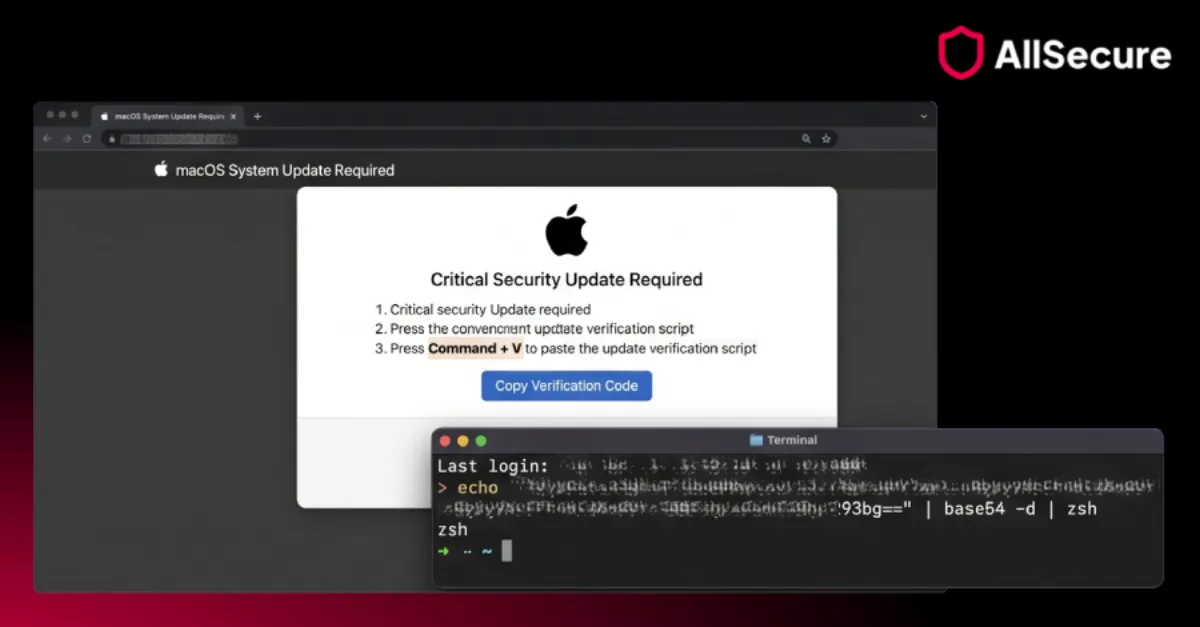
A newly identified malvertising campaign targeting macOS systems is using fake browser update prompts to drop an information-stealing malware strain with ties to North Korean threat actors. The attackers leverage compromised or malicious advertisements that redirect users to convincing but fraudulent update pages for popular browsers like Google Chrome and Mozilla Firefox. Once the user clicks to update, a malicious disk image file (DMG) is downloaded, initiating an infection chain that ultimately harvests laptop data, including cryptocurrency wallet details and stored credentials.
The initial infection vector relies entirely on social engineering through malvertising—malware-laced ads served via legitimate ad networks. When a victim lands on the rogue update page, the site mirrors the look and feel of official browser download portals, making it difficult to distinguish. After the user mounts the DMG and runs the installer, the malware employs various techniques to persist on the system and exfiltrate sensitive information, often communicating with command-and-control servers over encrypted channels. This particular campaign has been attributed to a DPRK-linked group, highlighting the continuing cross-platform expansion of financially motivated state-backed operations.
For website administrators and IT teams, the immediate risk is credential theft. Stolen passwords for hosting panels, content management systems, DNS management consoles, or cloud infrastructure accounts can be exploited to deface sites, inject malicious scripts, or pivot into broader network intrusions. Because the malware operates quietly and targets macOS, it may evade detection longer in environments where macOS endpoints are less scrutinized or under-protected compared to Windows systems. The campaign underscores why securing endpoints and user accounts is as critical as hardening server infrastructure.
Defense strategies should combine user awareness with technical controls. Since malvertising often relies on redirecting users to lookalike domains, DNS-level filtering can block access to known malicious sites before a connection is ever established. AEU DNS, a private and secure DNS service, offers built-in protection against such threats by blocking queries to domains associated with malware, phishing, and malvertising, adding an effective initial barrier for both at-home and business users. Pairing this with browser security settings, ad blockers, and endpoint detection reduces the chances of a successful attack.
As malvertising continues to evolve and target less-guarded platforms, staying ahead requires layered defenses. Regular security audits of hosting environments, enforcement of multi-factor authentication for all administrative accounts, and network-level filtering are essential steps. By understanding the tactics used in campaigns like this, website owners and IT teams can better anticipate threats and shore up protections before an incident occurs.