
Critical cPanel Flaw Exposes Hosting Customers to Database Root Escalation
A newly disclosed vulnerability in cPanel could allow shared hosting users to execute SQL commands as the database root, threatening website data and security.
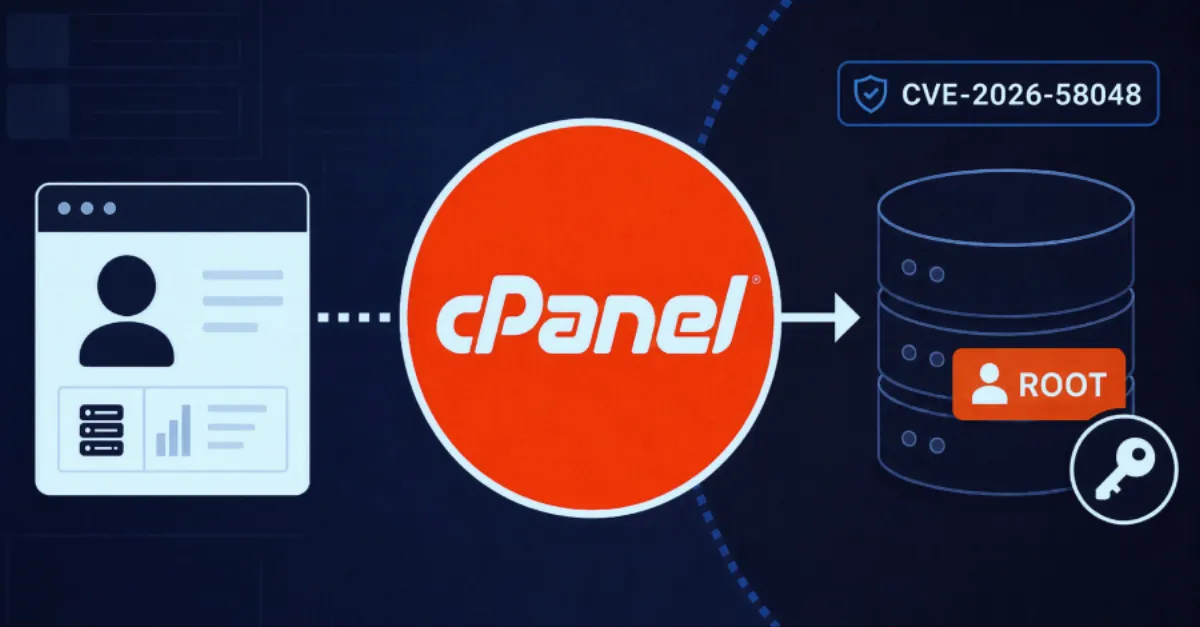
A serious security vulnerability has been uncovered in cPanel, the widely used web hosting control panel, which could allow malicious actors on shared hosting servers to escalate their privileges and execute arbitrary SQL queries as the database root user. This flaw, if exploited, puts entire hosting environments and all websites on affected servers at risk of data theft, defacement, or complete compromise.
cPanel provides a graphical interface and automation tools that simplify website and server management for hosting providers and their customers. The vulnerability lies in how cPanel handles certain privileged operations, potentially enabling a user with limited access—such as a site owner on a shared plan—to break out of their database isolation and gain full control over the MySQL or MariaDB instance. That means an attacker could read, alter, or drop databases belonging to other customers, or even extract sensitive configuration data stored in the system tables.
For website owners, the immediate concern is that a single compromised account on a shared server could serve as a stepping stone to broader breaches. Sites built on WordPress, Joomla, Drupal, or custom applications that rely on a MySQL backend are especially exposed. Operators should check with their hosting provider whether cPanel patches have been applied, and monitor their own sites for signs of unauthorized database access, such as unexpected administrative logins or data modification. Regularly auditing user privileges and removing unnecessary accounts reduces the attack surface.
cPanel has acknowledged the issue and is urging all administrators to apply the necessary updates immediately. The exact technical details have not been widely published to prevent easy exploitation, but security researchers emphasize that the flaw is critical because of the low barrier to entry in shared hosting environments. Hosting firms are advised to review their privilege separation configurations and consider additional hardening steps, such as enabling binary logging for forensic readiness and restricting database connections from untrusted networks.
Managed hosting providers that prioritize security, such as AEU Hosting, continuously monitor for such vulnerabilities and deploy patches without customer intervention, while also maintaining strict isolation between accounts to limit the blast radius of an attack. Ultimately, staying protected requires a combination of prompt patching, least-privilege policies, and vigilant monitoring—principles that should be embedded in every hosting stack.