
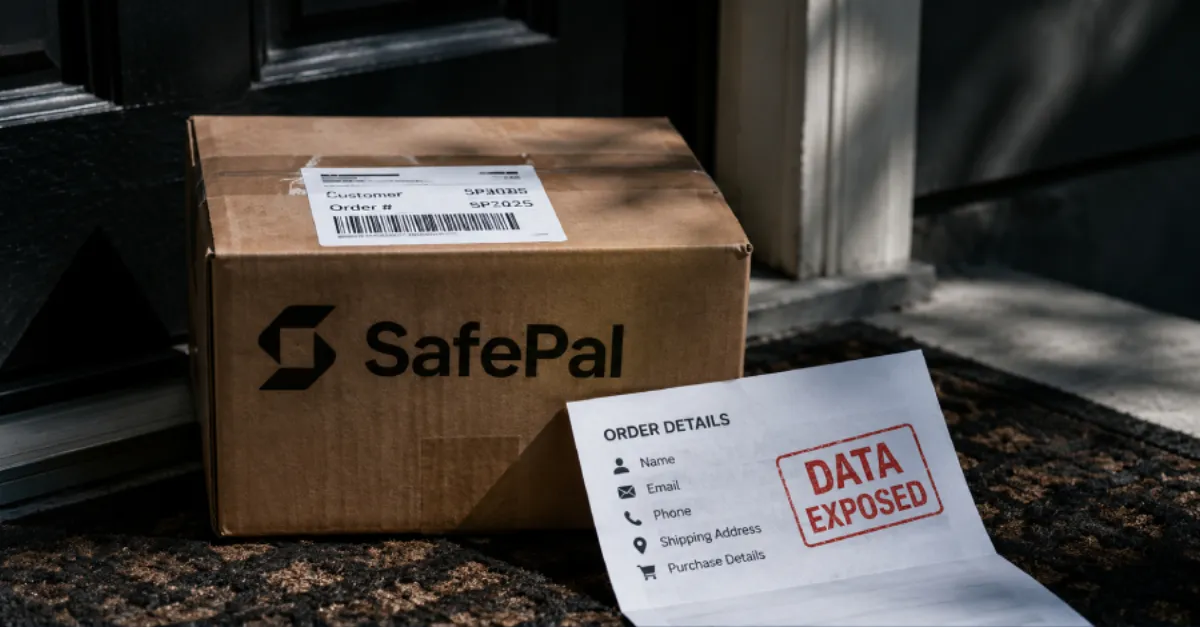
SafePal Reports Security Vulnerability That Exposed Data of Nearly 40,000 Hardware Wallet Customers
The crypto hardware wallet maker confirmed a flaw that put customer information at risk; affected users should update devices and stay alert for phishing attempts.
SafePal, a company that makes hardware wallets for storing cryptocurrency, has acknowledged a security flaw that exposed data belonging to nearly 40,000 of its customers, according to a report from The Hacker News. A hardware wallet is a small physical device that keeps the secret codes, called private keys, needed to access digital currency offline, away from internet-connected computers. The disclosure raises important questions about how vendors protect personal information they collect during sales, support and device setup, even when the wallet device itself remains secure.
The initial report did not include full technical details of the vulnerability, but the scale of nearly 40,000 affected customer records suggests the flaw may have involved a database, order system or customer support portal rather than the cryptographic core of the wallet device itself. When a company like SafePal experiences a data exposure, the information at risk can include names, email addresses, shipping details and sometimes phone numbers, depending on what the company stores. Even without financial data, this type of information is valuable to criminals because it can be used to craft convincing phishing messages that target the victim's actual cryptocurrency holdings.
For SafePal customers, the immediate risk is not necessarily that their cryptocurrency will be stolen directly through the exposed data. Instead, attackers may use the leaked contact information to send fake emails or text messages that appear to come from SafePal. These messages often claim there is a security problem with the wallet and ask the user to enter their recovery phrase, a series of words that acts as a master key to restore the wallet on a new device. Anyone who obtains that phrase can take control of the wallet's funds. Customers should also turn on two-factor authentication, an extra login step that requires a temporary code in addition to a password, wherever it is offered for their SafePal account or email.
From a broader perspective, this incident highlights a common weak point in the security of online services that support hardware devices. The physical wallet may be built to resist tampering, but the company's web portal, customer database and email systems are typical targets for attackers. A single misconfigured server or unpatched software component can expose thousands of records in minutes. For website owners and IT teams, the lesson is clear: any third party that handles customer data can become an indirect route for attackers to reach your own users, especially if passwords are reused across services.
SafePal customers should watch for official notifications from the company and be ready to apply any software update, often called a firmware update, that fixes the flaw. A firmware update is a small program installed on the device itself that changes how it works. In the meantime, reviewing account activity and enabling extra login protection can reduce the chance that exposed information leads to an actual loss. For businesses that depend on third-party services, incidents like this underscore the importance of vendor risk management and continuous security monitoring.
The SafePal disclosure is another reminder that security is not limited to the device you hold in your hand. It extends to every online system a company operates. For website owners, managed security services can help reduce this kind of exposure by providing monitored infrastructure and hardened configurations; AEU Hosting, for instance, delivers managed WordPress hosting with end-to-end security to help keep customer data and websites protected from common web-based threats.
How to Protect Yourself
- If you own a SafePal hardware wallet, check your email for an official notice from SafePal and follow any instructions about updating the wallet's software, called firmware.
- Change your SafePal account password if you have one, and make sure you do not reuse that password on any other website.
- Watch out for emails or texts that pretend to be from SafePal but ask for your recovery phrase; never share that phrase with anyone.
- Turn on two-factor authentication for your SafePal account or email if available, which asks for a temporary code in addition to your password.
- Review your cryptocurrency wallet addresses and transactions for any activity you did not make, and contact SafePal support if you see something odd.