
Nearly 40,000 SafePal Hardware Wallet Customers Affected by Security Flaw, Company Says
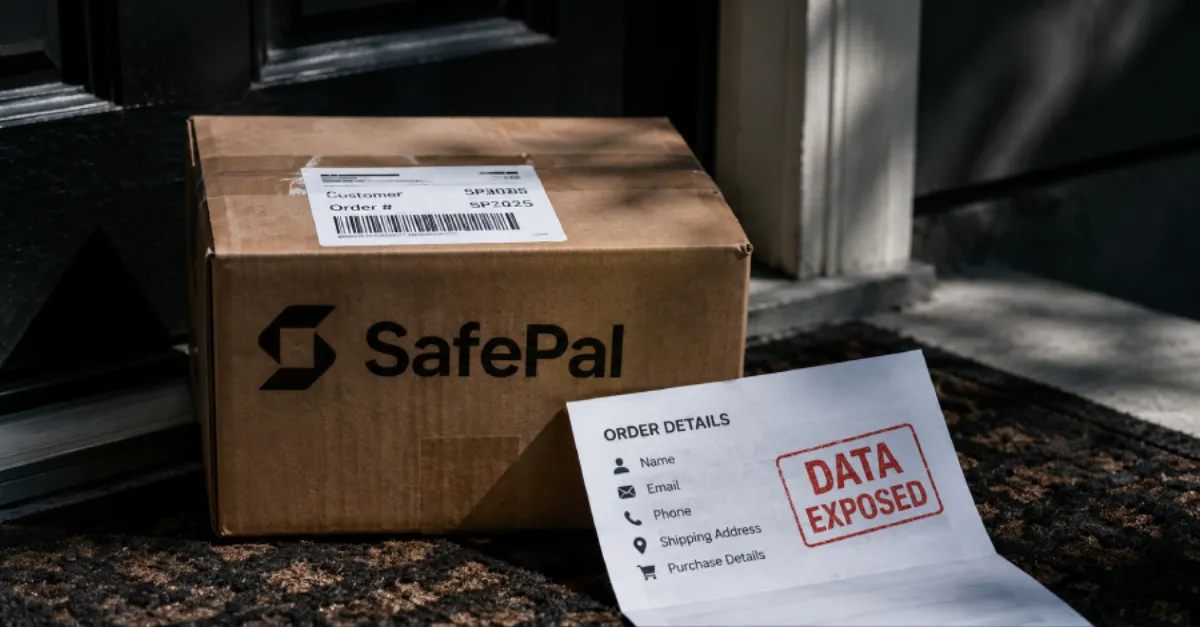
SafePal, maker of hardware cryptocurrency wallets, has disclosed that a security flaw exposed data on almost 40,000 customers, a reminder that even security-focused firms can leak personal details.
SafePal, a company that makes hardware wallets for storing cryptocurrency, has confirmed that a security flaw led to the exposure of data belonging to nearly 40,000 customers. The disclosure puts a spotlight on a critical truth in digital security: even products designed to protect assets from online theft can be undermined by weaknesses in the supporting web and business systems.
This incident is especially notable because hardware wallets are built to keep the secret codes, called private keys, that control cryptocurrency funds isolated from internet-connected computers. The device itself holds these keys offline, which makes remote theft much harder. However, customers still interact with SafePal through websites, email, and online accounts. Those systems collect names, contact details, order information, and other personal data. The reported flaw appears to have affected this customer data rather than the wallet devices themselves, although the initial disclosure does not specify exactly what fields were exposed or how the flaw occurred.
A data leak of this size may seem small compared with breaches at large retailers or social networks, but the affected users are a highly targeted group. People who own hardware wallets often hold significant cryptocurrency and are frequent targets for criminals. Exposed customer information, such as an email address or a name, can be used to craft convincing phishing messages. In a phishing attack, a criminal pretends to be the company and tries to trick the user into revealing a recovery phrase, a series of words that can restore a wallet, or into connecting the device to a fake website that steals funds.
For SafePal customers, the immediate risk is not necessarily the loss of cryptocurrency, because the private keys should not have been part of the exposed data. But the incident is a reminder that security is only as strong as the weakest link. A flaw in a web form, a misconfigured database, or a vulnerable customer support portal can undo the protection offered by a dedicated hardware device. Users should treat any unexpected email or message claiming to be from SafePal with caution, especially if it asks for a recovery phrase, a password, or a code from a two-factor authentication app.
Businesses and website owners can learn from this event as well. Any system that collects and stores customer information must be secured end to end. A single vulnerability in a signup page, an ordering system, or a backend admin panel can expose data just as a flaw did here. Using a managed hosting service like AEU Hosting, which provides managed WordPress hosting secured end to end, can help reduce common web vulnerabilities that lead to such exposures. In addition, monitoring domain name system settings and email security matters, because attackers often register lookalike domains after a breach to send fake messages to known customers.
SafePal has not yet provided specific remediation guidance or a timeline in the reported disclosure. Affected customers should check the company's official website or app for updates. They should change any password associated with the account they used for SafePal, enable two-factor authentication where possible, and avoid clicking links in unsolicited email or text messages. As with any hardware wallet, the recovery phrase should never be entered into a website or shared with anyone, even someone claiming to be support.
How to Protect Yourself
- If you have ever bought or used a SafePal wallet, go to the official SafePal website by typing the address yourself and look for an official notice about this flaw.
- Change the password on the account you used with SafePal and do not reuse that password on any other website.
- Turn on two-factor authentication for your SafePal account and for your email account, so a stolen password alone is not enough to get in.
- Be suspicious of any email or text that claims to be from SafePal and asks for your secret recovery words or a link to log in; do not click links in such messages.
- Never type your recovery phrase (the list of words that restores your wallet) into a website or give it to anyone, even if they say they are support.