
Kiteworks Patches Critical Vulnerability Found During Precautiona
Kiteworks fixed a critical flaw found during a precautionary shutdown triggered by threat intelligence. No customer data was compromised.
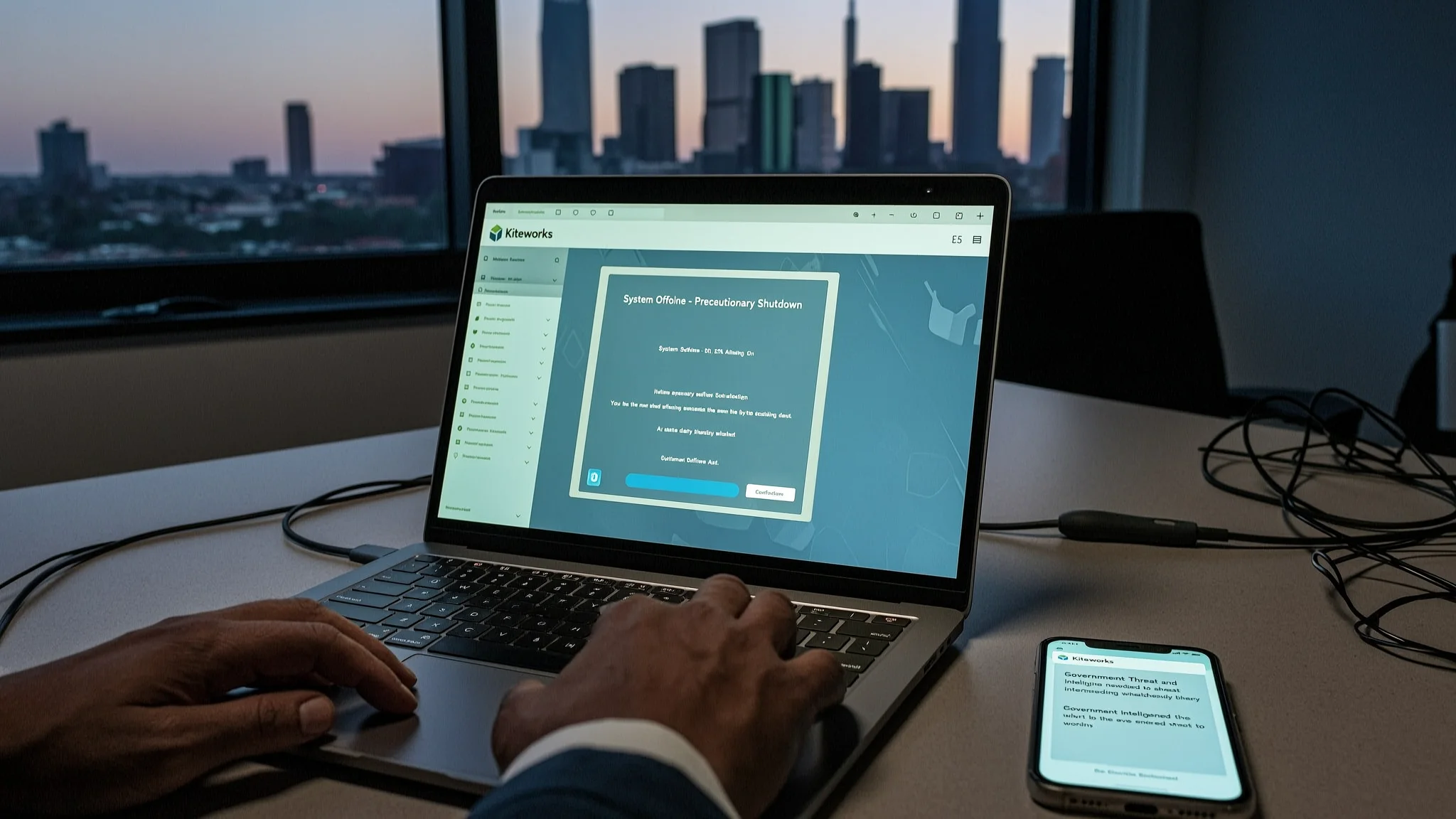
Kiteworks, the secure file sharing company formerly known as Accellion, has patched a critical vulnerability that was discovered during a scheduled, nine-hour precautionary shutdown. The incident began when the company received threat intelligence from federal authorities pointing to a possible imminent cyber attack. Rather than risk a breach, Kiteworks made the tough call to ask customers to take their self-hosted systems offline and also shut down the cloud environments it manages for them. The shutdown window started before the weekend and the all-clear was issued on September 27, 2026.
During that window, the company’s security teams actively searched for signs of danger and uncovered a previously unknown critical flaw. The vulnerability was confined to a specific capability that fewer than one percent of the customer base had enabled. Kiteworks engineers developed and deployed a fix on the spot and applied an extra protective layer across all environments. The company stressed that there is no evidence the vulnerability was ever exploited in an attack, and that no other products were affected.
The decision to take production systems offline is one few vendors would make lightly. Frank Balonis, Chief Information Security Officer (CISO) at Kiteworks, explained: “Telling customers to take production systems offline is not a decision any vendor makes lightly, and we knew exactly what we were asking of them. We made it anyway, because when the choice is between certainty and convenience, customer data is not something we are willing to gamble with.” That philosophy – prioritising customer data over uninterrupted uptime – is exactly what allowed the flaw to be found and fixed before any harm could occur.
As of this writing, Kiteworks has not released technical details about how the vulnerability might have been exploited, and no Common Vulnerabilities and Exposures (CVE) identifier has been assigned. A CVE number is a public tracking label that helps organisations catalogue and respond to known security issues. The company is evaluating whether to publish a formal advisory and assign a CVE, which would make the flaw easier for the wider security community to reference. For now, the risk is contained because the patch is already in place, and customers are advised to bring their systems back online.
The episode offers a sharp reminder about the importance of proactive security in today’s digital landscape. When a vendor receives credible intelligence about a threat, shutting down systems may seem drastic, but it is often the most responsible course of action. A single unpatched vulnerability in a file sharing platform like Kiteworks could allow attackers to access sensitive business documents, client contracts, financial data, or intellectual property. By acting before an active breach, the company turned a potential crisis into a controlled security operation.
For website owners, developers, and IT teams, the incident reinforces several key practices. When a hosting provider, content management system, or any critical software vendor issues an urgent security alert that requires you to take a site offline, do not delay. Have a response plan that includes verifying the alert through official channels, notifying your users about scheduled maintenance, and taking the system offline as directed. After the maintenance window ends, check your logs for any unusual activity before bringing everything back up. These small steps turn a disruption into a defence.
Additionally, the value of threat intelligence and rapid patch deployment cannot be overstated. Businesses that manage their own servers and applications must be prepared to react quickly when a new vulnerability surfaces. Those that rely on managed services can offload much of that burden. For instance, a managed WordPress hosting platform like AEU Hosting handles security monitoring and applies patches as soon as they become available, giving site owners peace of mind that their data is actively protected.
Kiteworks’ handling of the situation, from the difficult shutdown order to the swift patch and transparent communication, sets a high bar for vendor responsibility. No anomalies were observed during or after the window, and the applied fix covers all known risks. With systems now back online, the company and its customers can return to normal operations, armed with the knowledge that a potential zero-day vulnerability was neutralised before it could ever be put to malicious use.
How to Protect Yourself
- If your hosting provider or software vendor asks you to take your site offline for a security reason, do so immediately without hesitation.
- Subscribe to official security bulletins from all your critical service providers so you never miss an urgent alert.
- After any security maintenance or outage, check your website’s admin logs for any unusual file changes, login attempts, or new user accounts.
- Always keep your website software, plugins, and any file sharing or collaboration tools updated to the latest version.
- Use a web application firewall to add an extra layer of protection against unknown or zero-day threats.
- Maintain regular, automatic off-site backups of your website so you can restore it quickly if ever needed.
Terms Explained
- vulnerability A security weakness in software that could allow attackers to gain unauthorised access or cause damage.
- threat intelligence Information about current or upcoming cyber threats that helps organisations prepare and defend themselves.
- CVE (Common Vulnerabilities and Exposures) A public list that gives each known security flaw a unique number so it can be tracked and discussed easily.
- patch An update from a software maker that fixes a security hole or a bug.
- precautionary shutdown Intentionally taking a system offline before an attack can happen, as a preventive safety measure.
- zero-day A vulnerability that is unknown to the software vendor and therefore has no fix available yet, making it especially dangerous.