
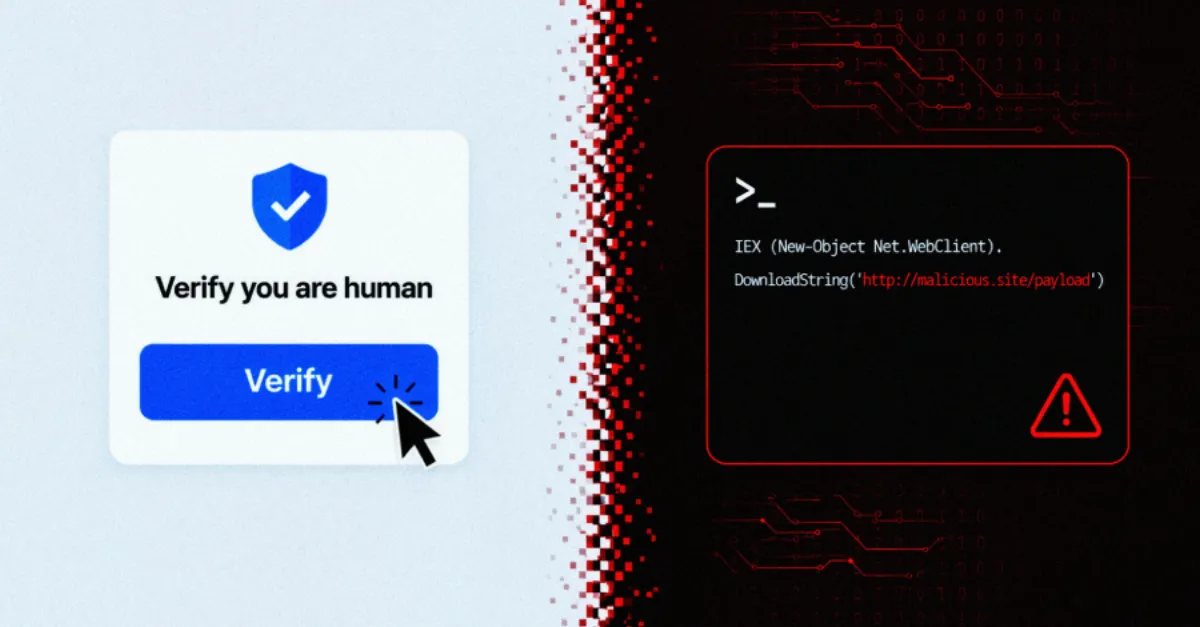
ClickFix Campaigns Evolve with Sophisticated Loaders and Fake Browser Update Bait
Cybercriminals are expanding their ClickFix malware campaigns with new loader variants and convincing fake update prompts, putting website owners at risk of hosting malicious content.
Security researchers have observed a significant evolution in the ClickFix malware distribution scheme, as threat actors increasingly deploy novel loaders and refined social engineering lures to trick users into executing malicious code. These campaigns, known for presenting victims with fake browser update dialogs or system alerts, are now leveraging modular infection chains that can quickly adapt to bypass detection and maximize impact. For website owners and administrators, the shift highlights the critical need to harden web infrastructure against compromise and inadvertent hosting of malicious payloads.
The latest ClickFix variants employ multi-stage loaders written in languages such as Go and Rust, making them harder to analyze and detect compared to earlier JavaScript-based implants. Once a user is tricked into clicking a deceptive prompt, the loader establishes a foothold on the system and can deliver a range of payloads, from information stealers to ransomware. The fake update lures are increasingly sophisticated, mimicking legitimate Chrome, Edge, or Firefox update notifications down to pixel-perfect detail, and are often served from compromised or look-alike domains.
From a hosting perspective, these campaigns underscore the importance of securing web servers and content management systems against unauthorized access. Attackers frequently exploit vulnerabilities in unpatched plugins, weak credentials, or insecure file permissions to plant the malicious landing pages on legitimate websites. A compromised site not only damages the owner's reputation and SEO rankings but also becomes a distribution node for infecting unsuspecting visitors, potentially leading to blacklisting by search engines and security vendors.
Site owners can mitigate these risks by enforcing strict access controls, routinely auditing their websites for unknown files, and deploying web application firewalls that can detect and block unusual redirects or script injections. Additionally, implementing a Content Security Policy (CSP) and Subresource Integrity (SRI) checks can prevent the execution of unauthorized JavaScript that might render fake update popups on compromised pages.
For those relying on managed platforms, AEU Hosting's managed WordPress service continuously monitors for malware and applies security updates automatically, helping to prevent your site from being weaponized in ClickFix or similar malware distribution campaigns.