
Adobe Acrobat Extension Flaw Exposed WhatsApp Web Data to Cross-Origin Theft
A vulnerability in Adobe Acrobat’s browser extension allowed malicious websites to bypass same-origin protections and read sensitive WhatsApp Web content, highlighting risks of overprivileged extensions.
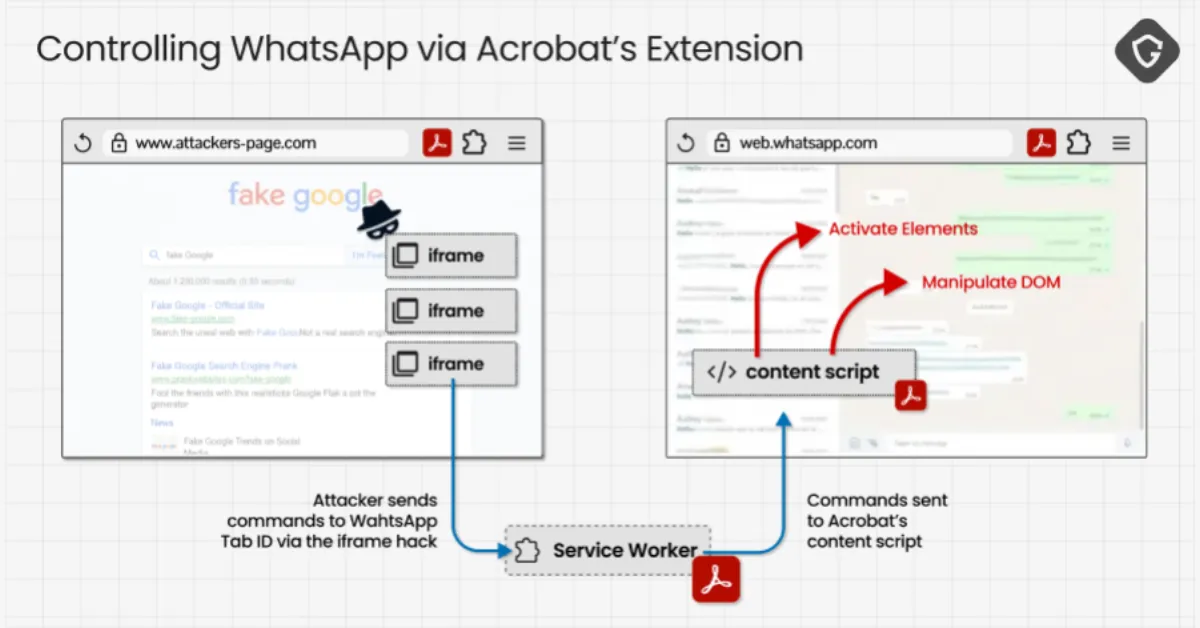
A critical security gap in the Adobe Acrobat browser extension has been disclosed, revealing that carefully crafted websites could silently harvest data from a user’s WhatsApp Web session. The flaw, rooted in improper cross-origin communication handling, let an attacker’s page reach into the DOM and storage of the messaging web app, effectively reading messages, contacts, and potentially session tokens.
The vulnerability hinged on the extension’s ability to inject content into web pages and relay messages across origins without adequate checks. By luring a victim to a malicious site while WhatsApp Web was open in another tab, an attacker could exploit the extension’s privileges to extract private data. Such cross-origin leaks are particularly dangerous because they sidestep the browser’s built-in same-origin policy, turning the extension into a bridge between unrelated contexts.
For website owners and IT teams, this incident underscores the risks posed by browser extensions with broad permissions. Even when a site itself is fully patched, a vulnerable third-party extension can expose user data. Adobe has released an update to close the vector, and users should ensure the extension is updated to the latest version immediately. Additionally, organizations can reduce exposure by limiting extension usage through policies and auditing permissions regularly.
Beyond updating extensions, proactive network-level defenses add depth. For website owners and businesses, blocking known malicious domains at the DNS level with services like AEU DNS can add a layer of defense against sites attempting to exploit such cross-origin flaws. As always, a layered security posture—combining timely patches, content security policies, and protective DNS—gives both site operators and end users the best chance against emerging threats.