
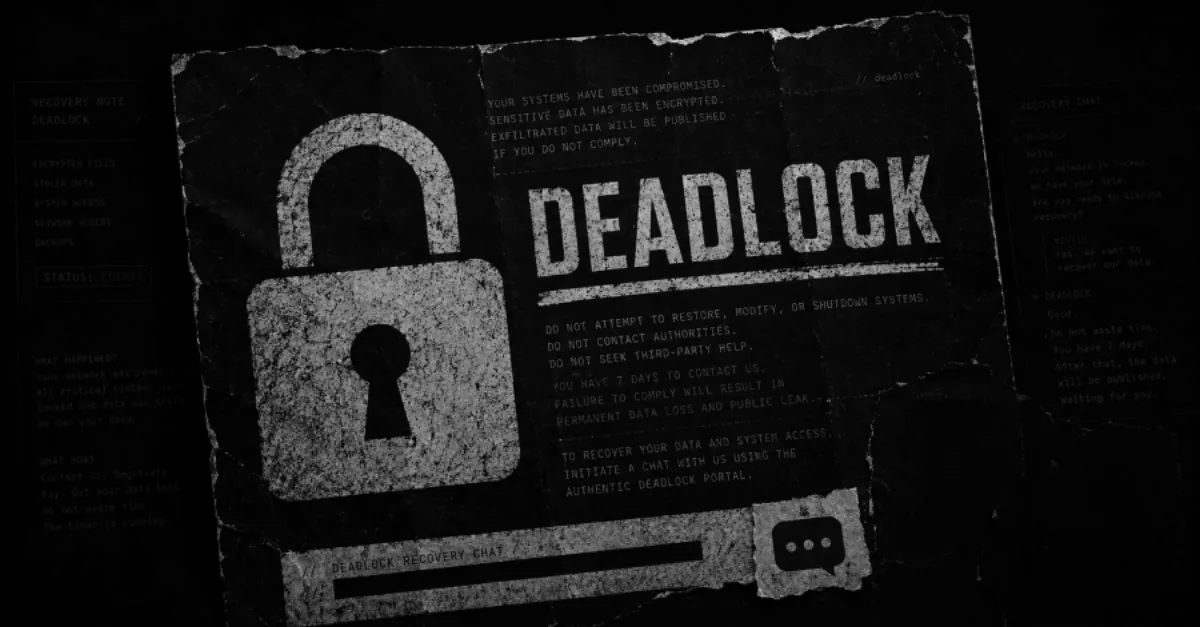
DeadLock Ransomware Shift to Polygon Smart Contracts Stymies Disruption Efforts
DeadLock ransomware is using Polygon smart contracts to build a decentralized extortion system, making it more difficult for investigators to disrupt their operations.
DeadLock Ransomware is a cybercriminal group that has recently adopted a new tactic to protect its operations. The group is now using Polygon smart contracts to make its extortion infrastructure harder for authorities to disrupt. This is a significant development in the world of ransomware because it shows that criminals are turning to blockchain technology to safeguard their illegal activities.
Polygon is a blockchain platform, and smart contracts are self-executing programs that run on it. By using these tools, DeadLock can spread its operations across a decentralized network of computers. This means there is no central server that can be seized or shut down. In the past, taking down ransomware operations often involved seizing the servers used to manage the attack or the ransom collection. With blockchain, this becomes much more difficult because the data is stored on many computers all over the world.
The use of smart contracts also adds a layer of automation. Smart contracts can be programmed to perform certain actions automatically when conditions are met. For a ransomware group, this could mean that ransom payments are handled without human intervention. The nature of blockchain ensures that these contracts are transparent and tamper-proof, making it easier for the group to demonstrate to victims that a payment has been received, and that they will follow through on their promise to provide decryption keys.
This move by DeadLock is a reminder that ransomware is an evolving threat. Website owners and businesses must stay vigilant. Ransomware can lock you out of your own website or data, and demand payment to unlock it. If the infrastructure behind the attack is difficult to disrupt, the group can continue operating for a longer period, increasing the risk to potential victims.
To protect against such threats, proactive security measures are essential. One way to ease the burden is to choose a hosting provider that offers security as part of its service. AEU Hosting provides managed WordPress hosting that is secured end to end, handling security updates and monitoring so that website owners can focus on running their websites. This can be an effective layer of defense against ransomware and other malicious activities.
Additionally, maintaining regular backups of your website files and database is crucial. In the event of a ransomware attack, a clean backup allows you to restore your site without paying the ransom. Keeping your content management system and plugins updated is equally important, as many attacks exploit known holes.
While the use of blockchain makes it harder to stop the criminal group itself, it does not change the need for good security hygiene on your end. Understanding these tactics and taking action to secure your online presence is the best way to stay safe.
How to Protect Yourself
- Turn on automatic updates for your website software, like your content management system and plugins, so you always have the latest security fixes.
- Use a strong and unique password for your hosting control panel and enable two-factor authentication, which requires an extra code to log in.
- Set up regular off-site backups of your website files and database, and store them somewhere secure like a cloud service, so you can restore without paying a ransom.
- Be careful with email attachments and links, even if they look legitimate, because ransomware often spreads through phishing emails.
- Consider moving to a managed hosting provider like AEU Hosting that takes care of security monitoring and updates for you.